Quality Custom Book Printing for Authors,Publishers and Creators - SeSe Printing


5 Things You Need to Know About How to Print a Book
5 Things You Need to Know About How to Print a Book
The journey of a book isn't complete when the last word is written. The printing process is a critical stage that determines the quality, durability, and professional perception of your work. The choices you make—from paper to binding—directly impact the reader's experience and the value of your published work.
To ensure your final product matches your vision, understanding these key elements is essential. Here are the 5 things you need to know about how to print a book.
1. The Paper: The Foundation of Your Book
Paper is far more than just a canvas for your words; it's a tactile experience for your reader. The weight, texture, and brightness of the paper you choose can dramatically alter the book's character.
Weight (GSM): Paper weight is measured in Grams per Square Meter (GSM). A higher GSM means a thicker, more opaque paper. Standard text pages often range from 70-100 GSM. For art books or high-quality novels with minimal show-through, 120 GSM or higher is preferable.
Finish: The two main finishes are uncoated (matte, porous, great for novels and non-fiction as it's easy to write on and reduces glare) and coated (smooth, glossy, or matte, ideal for art books, photography, and magazines as it makes colours pop).
Opacity: This refers to how much text or images from the opposite side of the page show through. Higher opacity paper prevents distracting ghosting, which is crucial for a professional look.
2. The Binding: Holding It All Together
The binding is what holds your pages together and is one of the most critical structural decisions. The right choice depends on your page count, budget, the book's intended use, and how it needs to lie flat.
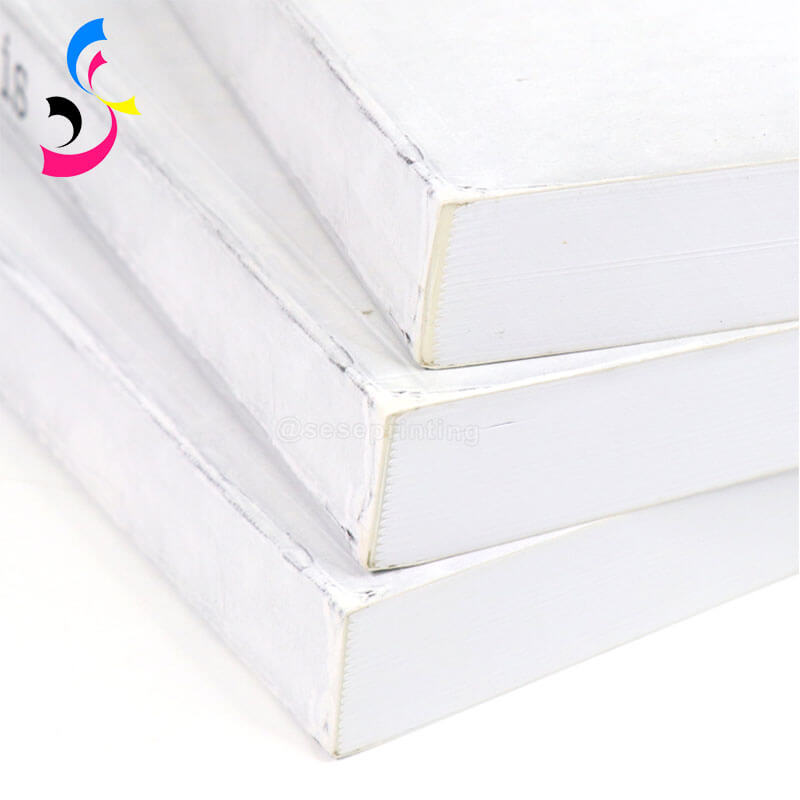
Paperback (Perfect Binding): The most common binding for softcover books. Pages are glued together at the spine with a strong, flexible adhesive. It's cost-effective and gives a clean, modern look. Ideal for novels, memoirs, and trade non-fiction.
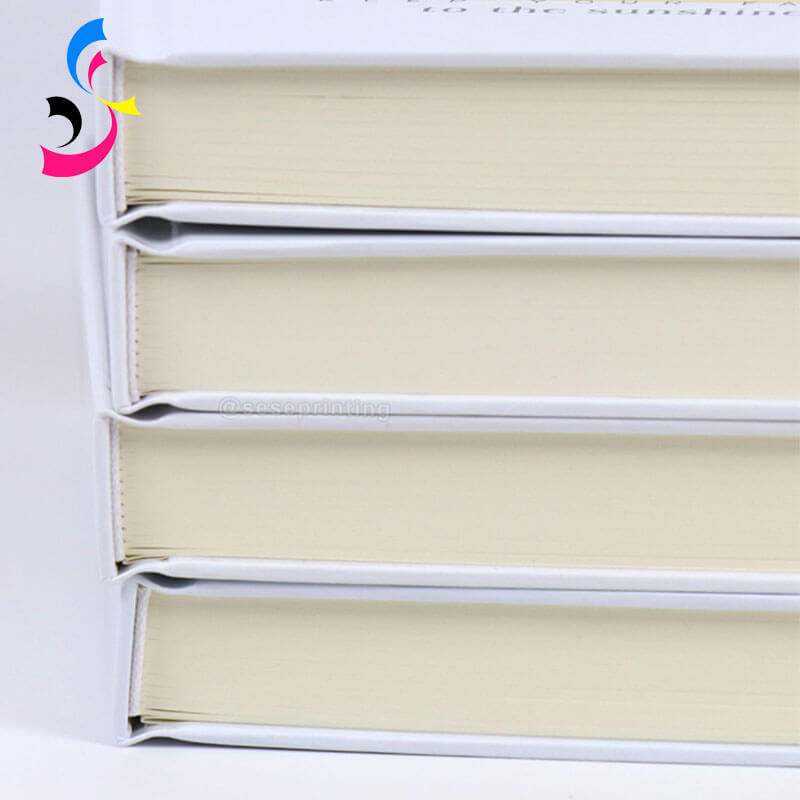
Hardcover (Case Binding): The premium option. Signatures of pages are sewn together, then glued into a hardcover "case" made of cardboard wrapped in paper, cloth, or leather. It's extremely durable and conveys quality and permanence. Perfect for special editions, classic literature, and reference books.
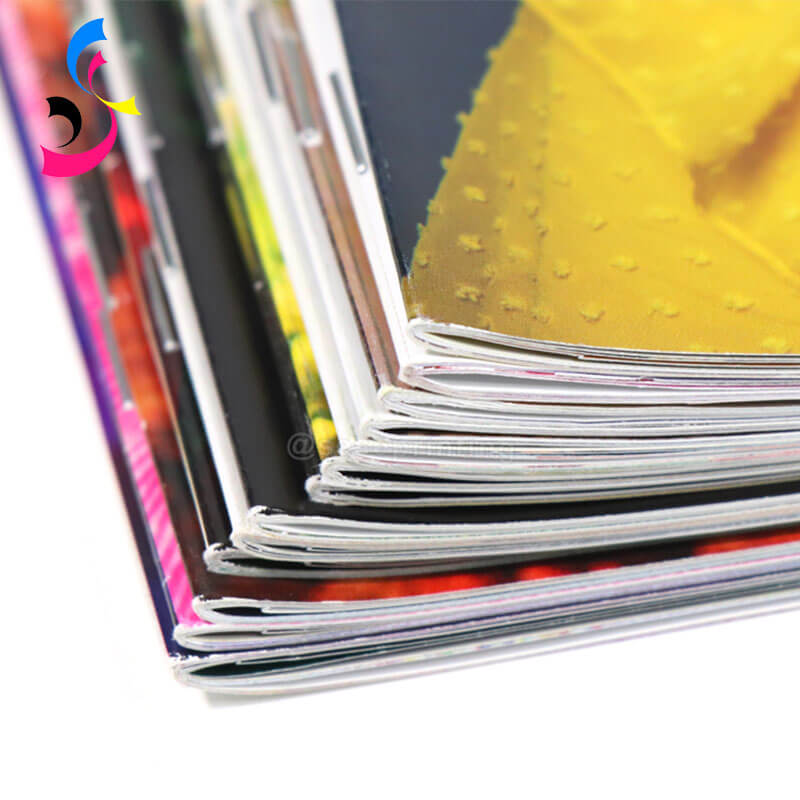
Saddle Stitching: Pages are folded, stapled together along the spine, and trimmed. This is only suitable for shorter publications like booklets, magazines, or pamphlets (typically under 92 pages).
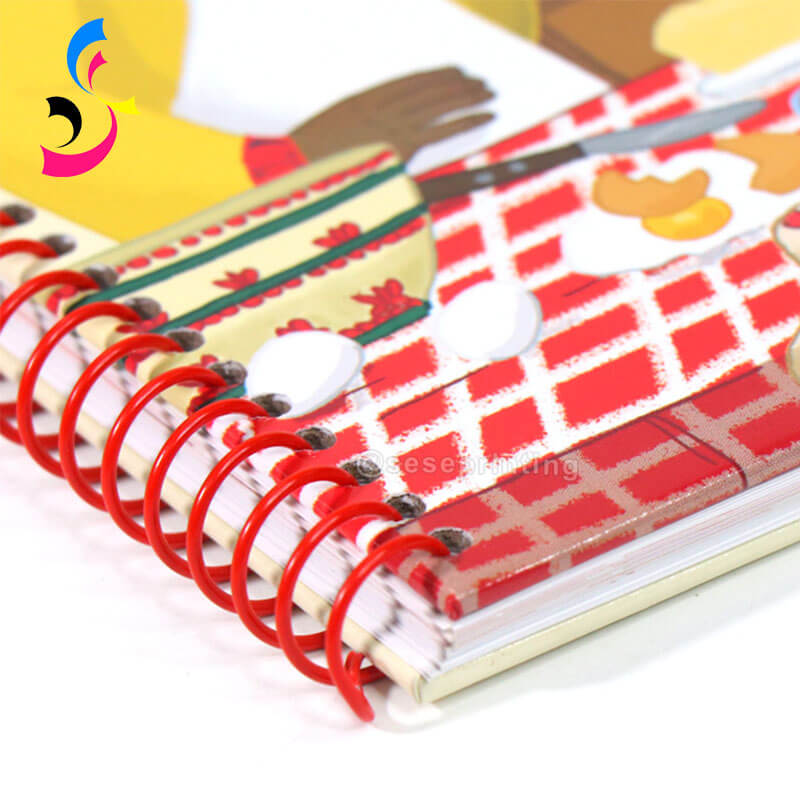
Spiral Binding (Coil Binding): A plastic coil is threaded through a series of small holes along the edge of the pages. This binding allows the book to lie completely flat when open and is excellent for workbooks, cookbooks, manuals, and notebooks. The plastic coil is durable and comes in various colors.
Wire-O Binding (Double-Loop Wire Binding): Similar to spiral binding but uses a double loop of metal wire. It offers a more professional and polished look than plastic coil, often perceived as higher-end. Like spiral binding, it allows pages to lie flat and is ideal for presentations, calendars, high-end reports, and corporate documents.
3. The Spine: Your Book's Silent Salesperson
On a bookstore shelf, the spine is the first (and often only) part of your book a potential reader will see. It must be functional and informative.
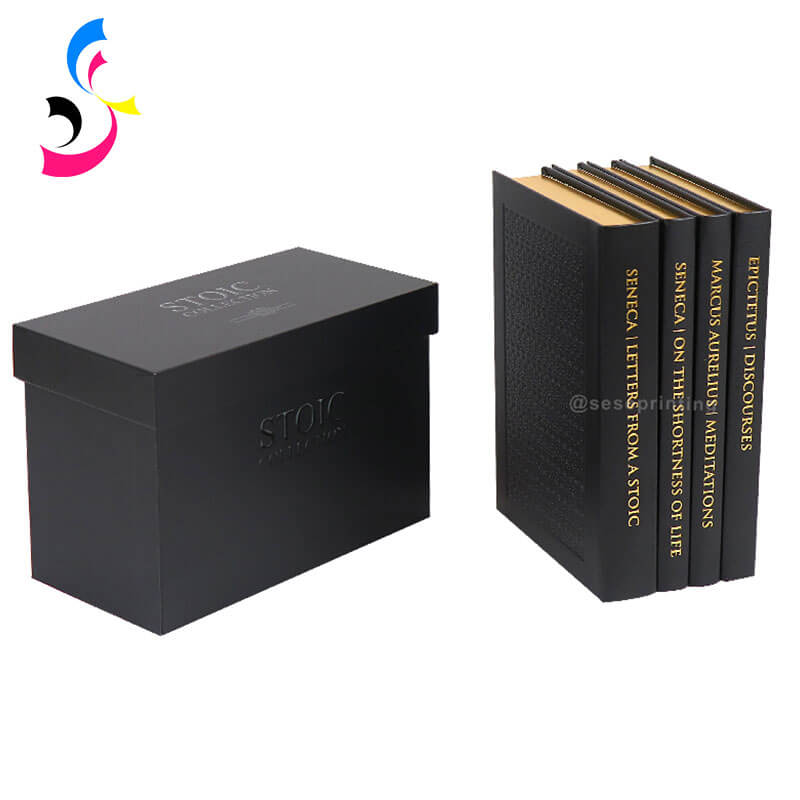
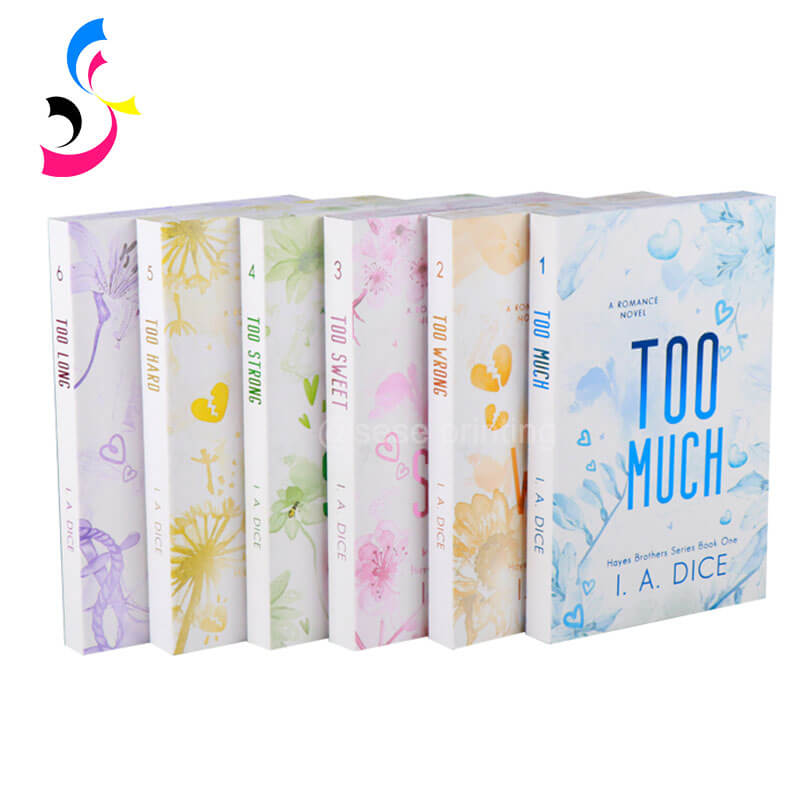
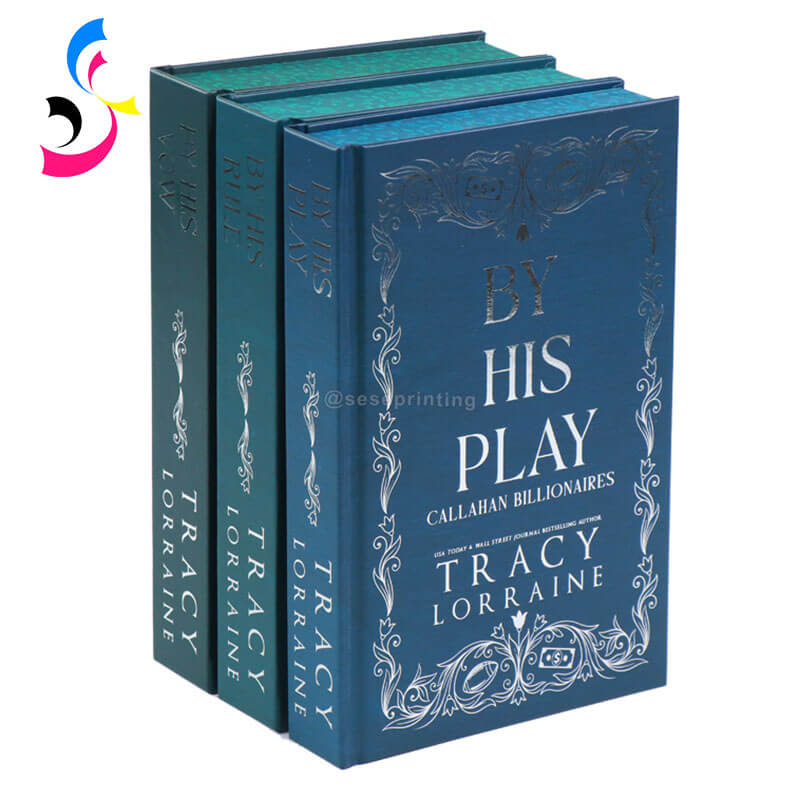
Width: The spine width is determined by your page count and paper weight. It must be calculated accurately to ensure the title and author name fit perfectly.
Design: A well-designed spine seamlessly continues the cover's artwork. It must include the book title, author name, and usually the publisher's logo. The text must be legible and oriented correctly for a book standing upright.
Durability: The binding method directly affects the spine's durability. A well-made sewn hardcover spine will last for generations, while a perfect-bound spine is flexible but can crack if forced open too wide.
4. The Size and Orientation: Shaping the Reader's Experience
The physical dimensions and orientation of your book influence how it's read and perceived.
Trim Size: This is the final size of your book after the pages have been cut. Common novel sizes are 5" x 8" (Digest) and 6" x 9" (US Trade). Non-fiction and textbooks often use 7" x 10". A unique trim size can make your book stand out but may increase printing costs.
Orientation: The vast majority of books are portrait (taller than they are wide). Landscape orientation (wider than tall) is typically reserved for art books, photography collections, cookbooks, or children's books where double-page spreads are key to the experience.
5. The Colour: Bringing Your Vision to Life
Understanding colour processes is vital to ensuring the colours in your printed book match what you see on your screen. Your choices here define the mood and visual impact of your work.
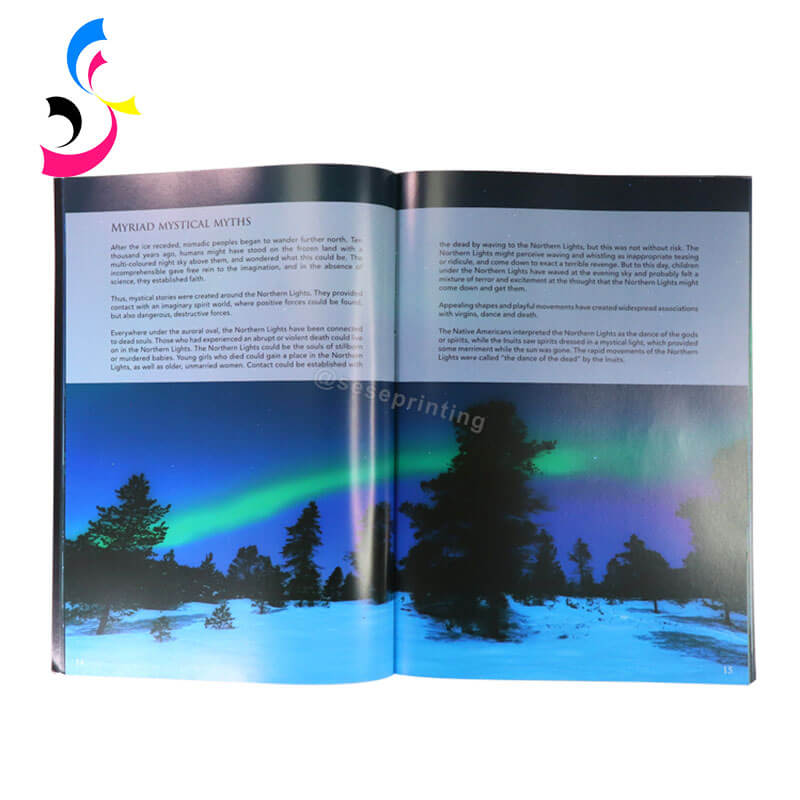
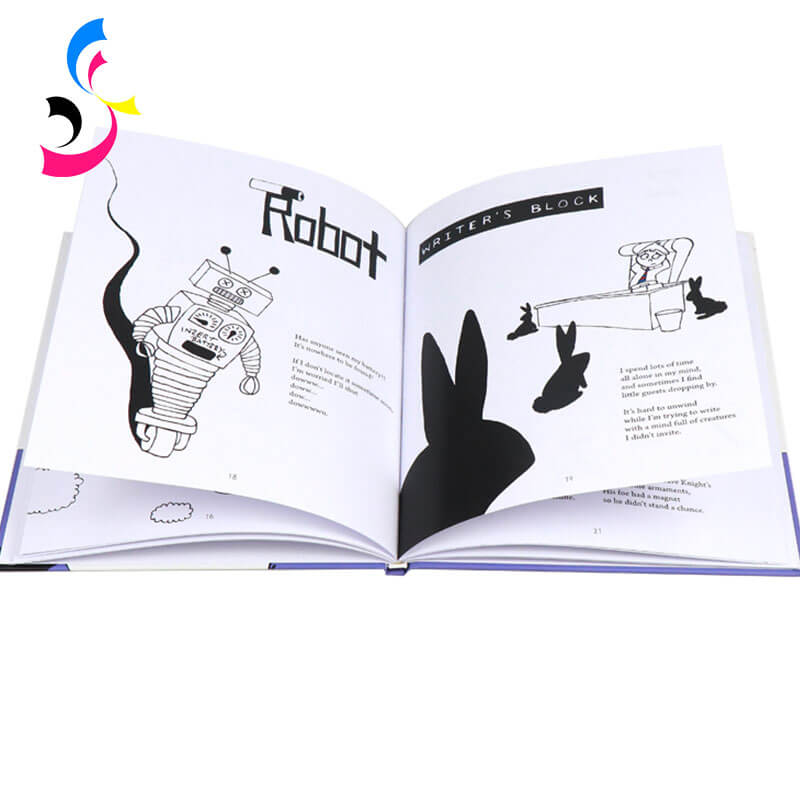
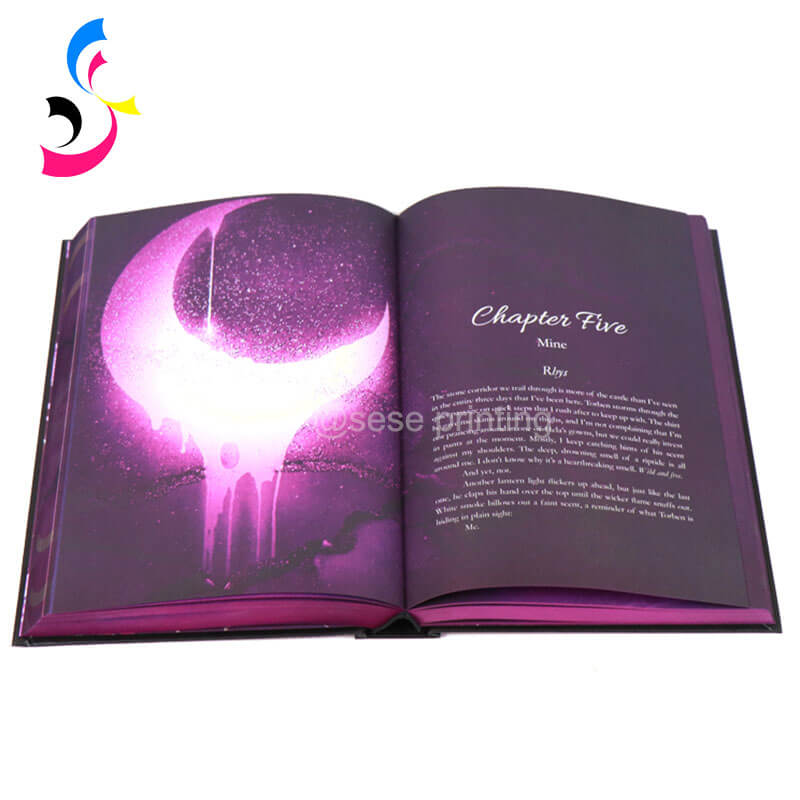
Full Colour (CMYK): Full-colour printing uses four ink plates: Cyan, Magenta, Yellow, and Key (Black). This process, known as CMYK, is used for printing colour images, photographs, and vibrant cover designs. All the colours you see are a mixture of these four inks.
Black & White (Grayscale): Interior text is most often printed using only black ink. For images within the text, you can choose between pure black and white (high contrast) or grayscale, which uses black ink to create a range of grey tones for photographs.
Spot Colour: This is a special pre-mixed ink used for specific elements, like a company logo or a special metallic, fluorescent, or Pantone® colour on the cover. It guarantees colour accuracy that CMYK cannot always match but adds to the cost.
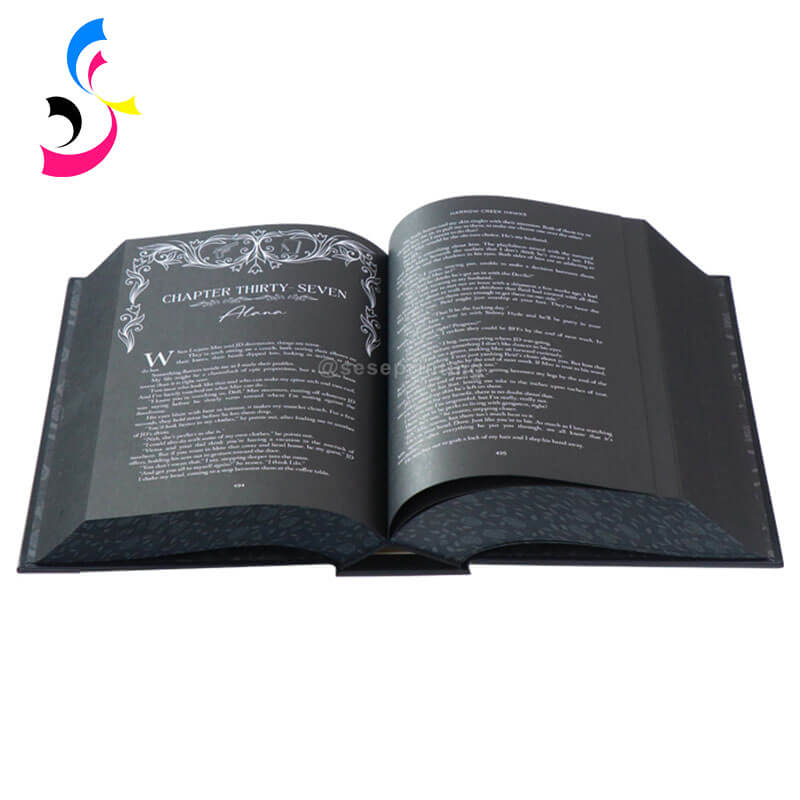
Black Paper with White Ink: For a truly dramatic and high-end effect, consider printing with white (or light-coloured) ink on black or dark paper. This creates a stunning visual contrast that is perfect for art books, luxury photography portfolios, or striking cover designs. This technique requires special printing processes, like screen printing or using a fifth spot colour, and may come at a premium.
Coloured Paper: Don't overlook the paper itself as a colour element. Printing black or coloured ink on a tinted paper stock (e.g., cream, ivory, or even a bold colour) can instantly establish a specific atmosphere—warmth, nostalgia, or energy. This is an excellent way to add character to a book's interior without significantly increasing cost, though it's crucial to test for readability to ensure sufficient contrast between text and paper.
Conclusion: Your Partner in Perfection
Navigating the world of paper stocks, binding options, and colour management can be daunting. Each choice is interconnected, impacting the final product's cost, quality, and appeal. The best way to ensure a flawless result is to partner with a printer who understands your vision and can guide you through these critical decisions.
At Sese Printing, we combine state-of-the-art technology with expert craftsmanship to bring your story to life. We don't just print pages; we create books. From advising on the perfect paper weight for your novel to designing a stunning, durable hardcover for your special edition, our team is with you at every step.
Ready to turn your manuscript into a masterpiece? Contact us today for a personalized consultation and a competitive quote. Let's build something beautiful together.

E-mail: sales01@seseprinting.com
Mobile phone: +86-13570912663
WhatsApp: 008619066781165
Tel: +86-020-34613569
Add: 702 No. 21 Huizhong Road, Shiqiao St, Panyu District. Guangzhou city, Guangdong Province. China