Quality Custom Book Printing for Authors,Publishers and Creators - SeSe Printing


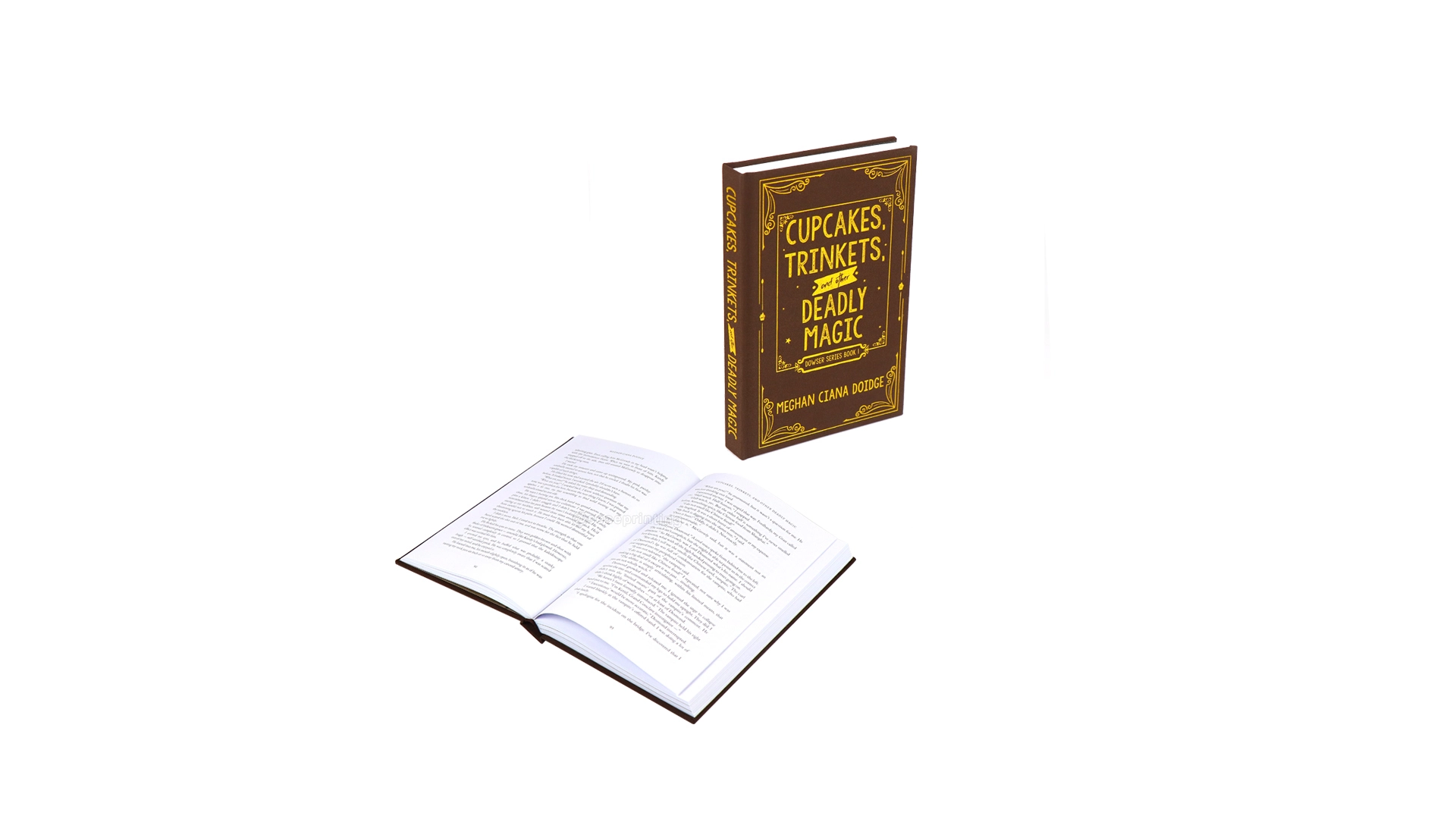
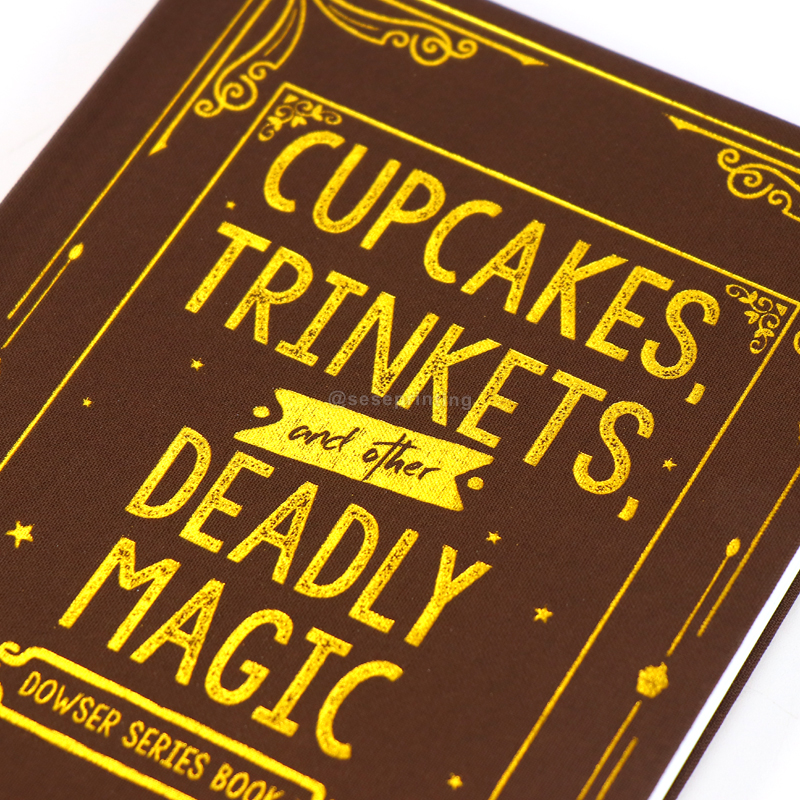
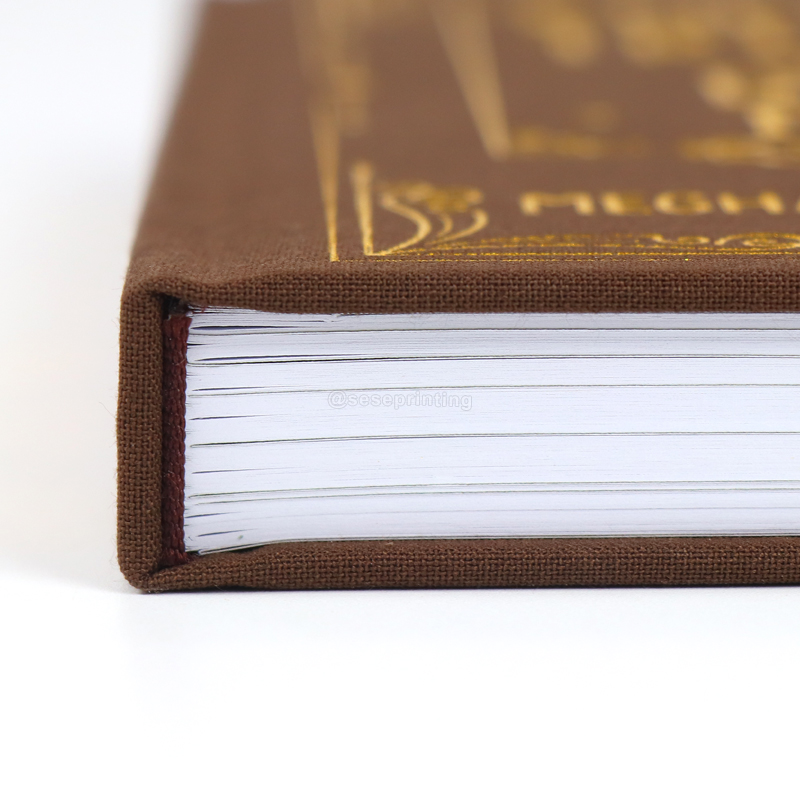
Cloth Cover Book Printing China Custom Gold Foil Hardcover Book
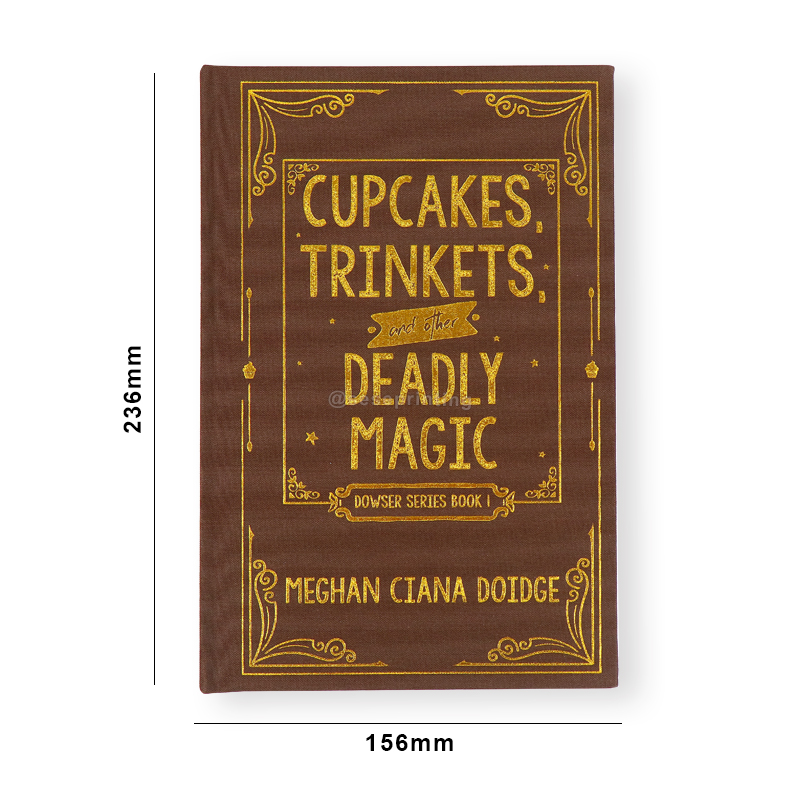
The art of foiling and embossing on cloth cover books adds a touch of elegance and sophistication to the design, making your book stand out. This technique is commonly used for hardcover or special edition books.
Cloth Cover Book Printing China Custom Gold Foil Hardcover Book
| Product Name | Book Printing China | |||
| Material | Glossy/matt art paper, offset paper, woodfree paper, writing paper, light coated paper, special type paper, C1S C2S board,C1S grey board, kraft paper, light weight coated paper, wood free paper, and so on. | |||
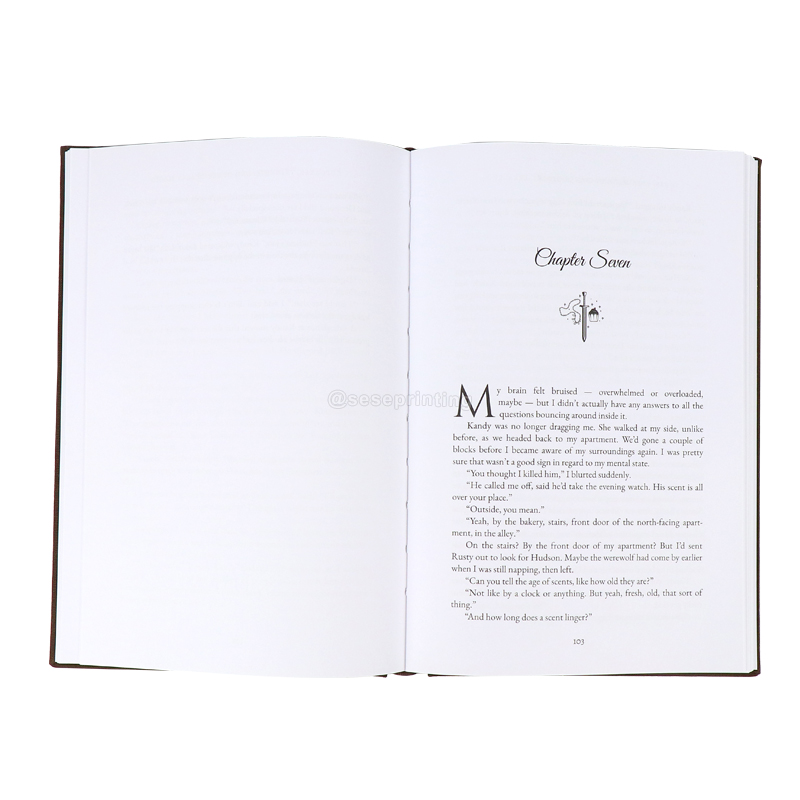
| Binding | Thread sewning binding, flexi-bound binding, saddle-stitching binding, glue binding, wire-o binding, spiral binding,casebound binding, etc. | |||
| Certification | ISO9001, FSC | |||
| Design | From Clients,OEM | |||
| Size | Decided by Client | |||
| Printing | CMYK or Pantone | |||
| Artwork Format | AI, PDF, ID, PS, CDR | |||
| Finishing | Gloss or Matt Lamination, Spot UV, Emboss, Deboss and Sprayed Edges | |||
How to Achieve the Effect of Foiling and Embossing on Cloth Cover Books?
Design the Cover:
Start with a well-designed book cover. Consider the theme, colors, and overall aesthetics of your book.
Choose the Right Cloth Material:
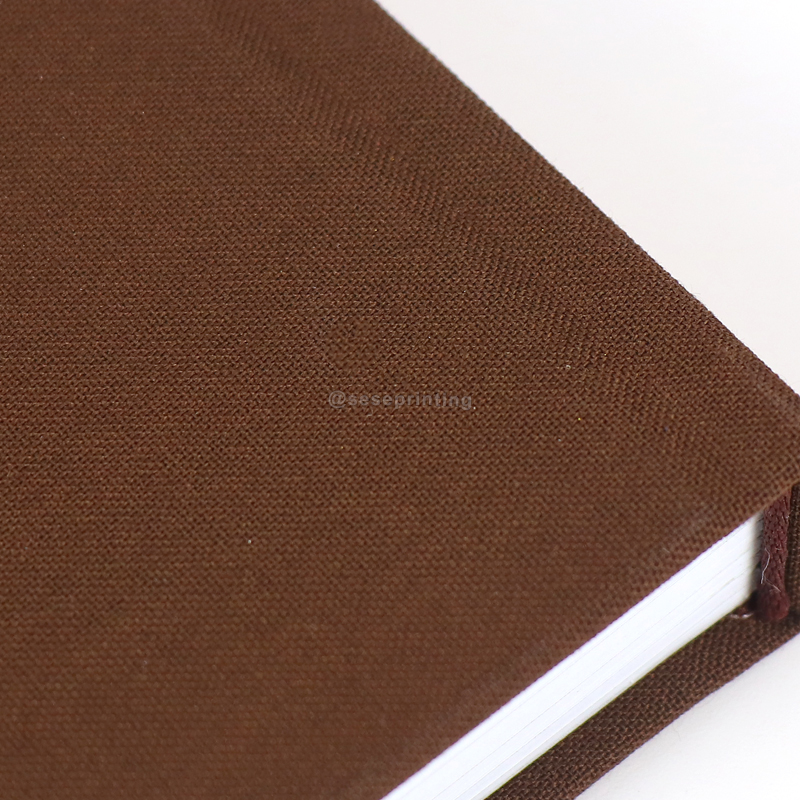
Select a high-quality cloth material for the book cover. Materials like linen or silk cloth work well for this purpose. Ensure the fabric is clean, free from defects, and of a color that complements your design.
Decide on Foiling and Embossing Elements:
Determine where you want to apply foiling and embossing on the cover. Common elements include titles, logos, decorative patterns, or borders. Ensure the design is well-suited for these techniques.
Prepare the Artwork:
Create or adapt your artwork to include the elements that will be foiled and embossed. These elements should be in vector format for the best results. Your designer should prepare separate files for the foiling and embossing, with the desired colors and the die lines.
Create Die Lines:
Die lines are like stencils or templates used to guide the embossing and foiling machines. They outline the areas to be foiled or embossed. These lines are typically created as raised areas for embossing and solid areas for foiling.
Choose the Foil Color:
Select the foil color you want to use. Common choices include gold, silver, copper, and various metallic or matte colors. The foil color should complement your book's design.
Embossing and Foiling Process:
The embossing and foiling process is typically done using specialized machines:
Embossing: The die lines are used to press the chosen areas on the cloth cover, creating raised designs. The depth and intricacy of the embossing can vary based on your design and the capabilities of the machine.
Foiling: The foil is applied to the designated areas on the cloth cover using heat and pressure. The foil adheres to the cloth, creating a metallic or colored effect.
Quality Control:
After the foiling and embossing process, inspect the covers for quality. Ensure the foil has adhered properly, and the embossed areas are crisp and clear.
E-mail: sales01@seseprinting.com
Mobile phone: +86-13570912663
WhatsApp: 008619066781165
Tel: +86-020-34613569
Add: 702 No. 21 Huizhong Road, Shiqiao St, Panyu District. Guangzhou city, Guangdong Province. China