Quality Custom Book Printing for Authors,Publishers and Creators - SeSe Printing


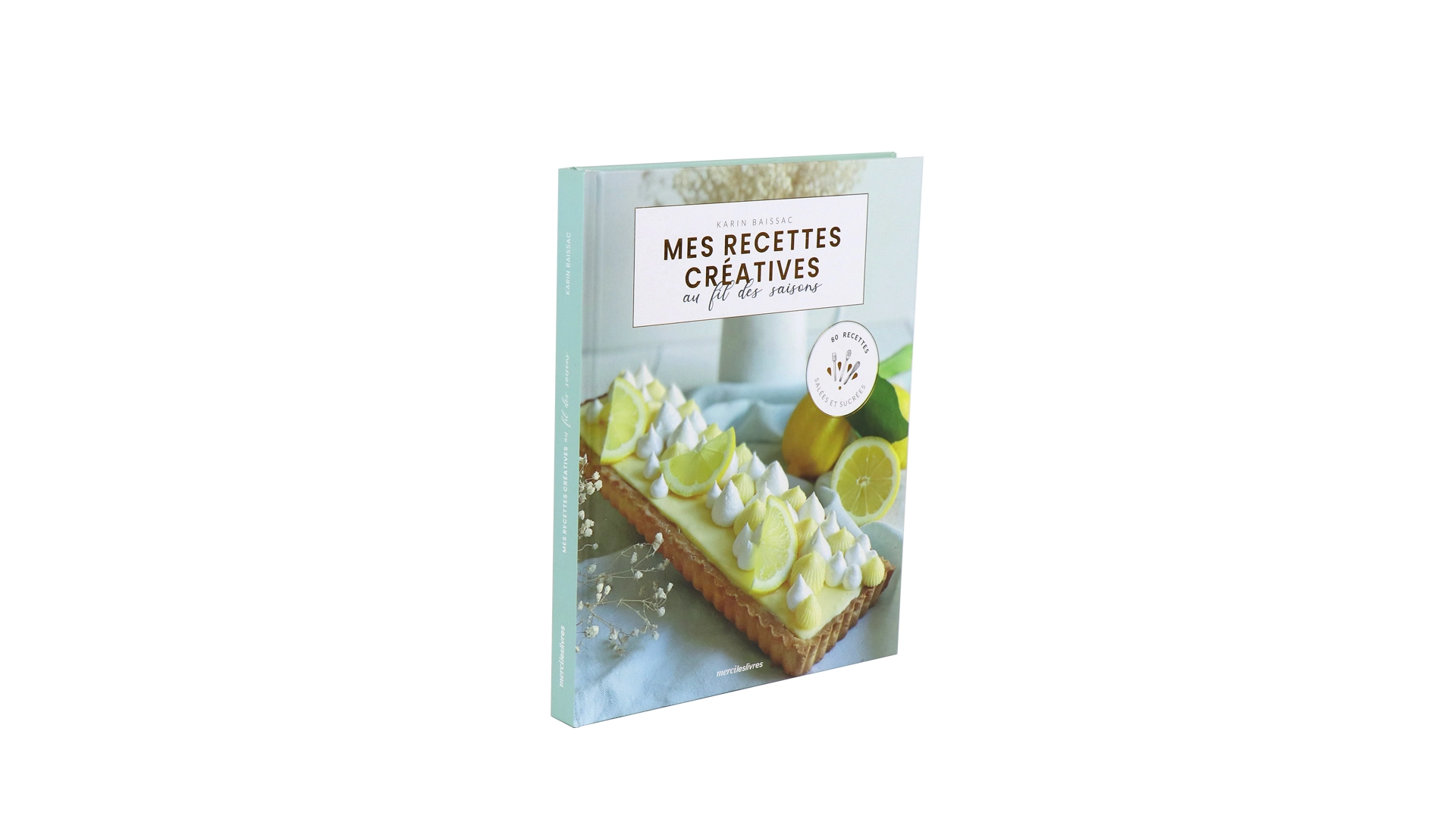
Self Publishing Printing Company Hardcover Recipe Book Printing
Discover the art of culinary expression with our exquisite Hardcover Recipe Book Printing services. Elevate your kitchen creations to a new level of sophistication and style.
Self Publishing Printing Company Hardcover Recipe Book Printing
| Product Name | Cookbook Printing | |||
| Material | Glossy/matt art paper, offset paper, woodfree paper, writing paper, light coated paper, special type paper, C1S C2S board,C1S grey board, kraft paper, light weight coated paper, wood free paper, and so on. | |||
| Binding | Thread sewning binding, flexi-bound binding, saddle-stitching binding, glue binding, wire-o binding, spiral binding,casebound binding, etc. | |||
| Certification | ISO9001, FSC | |||
| Design | From Clients,OEM | |||
| Size | Decided by Client | |||
| Printing | CMYK or Pantone | |||
| Artwork Format | AI, PDF, ID, PS, CDR | |||
| Finishing | Gloss or Matt Lamination, Spot UV, Emboss, Deboss and Sprayed Edges | |||
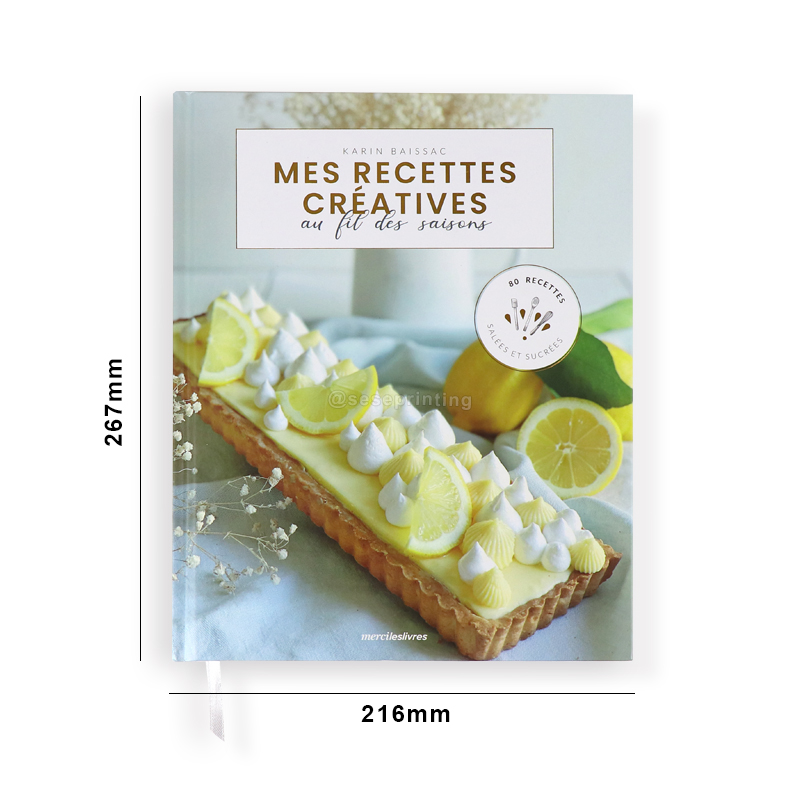
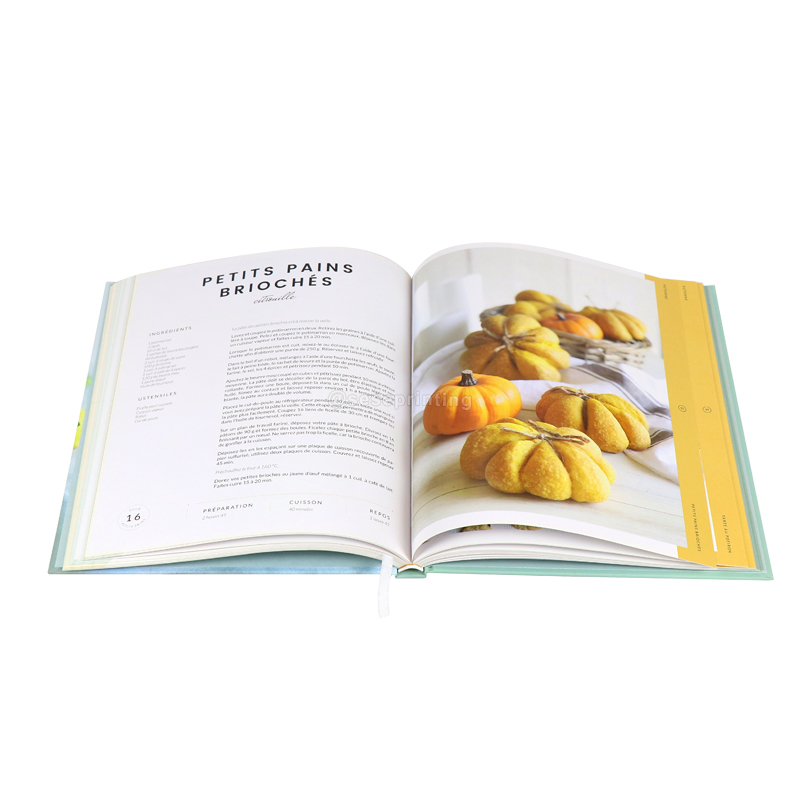
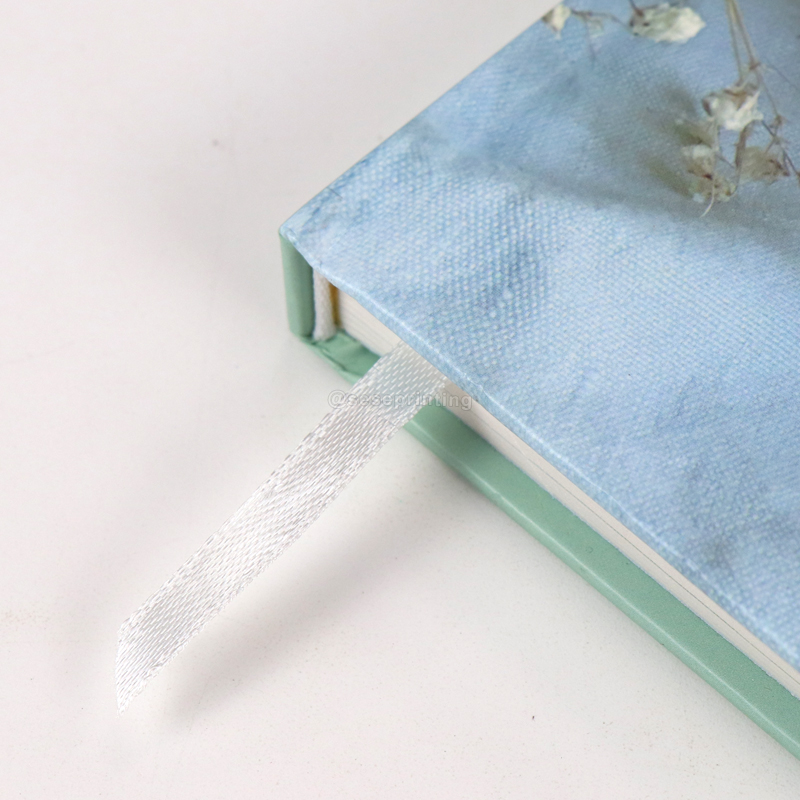
Creating a high-quality hardcover recipe book involves careful consideration of printing techniques to ensure that the final product is visually appealing, durable, and aligned with your design preferences. Here are some key printing techniques and considerations for producing hardcover recipe books:
Cover Material:
Paper Stock: Choose a durable and high-quality paper stock for the cover. Options include coated or uncoated papers, depending on the desired finish.
Laminates: Consider using laminates for added protection and a polished look. Common laminates include matte, gloss, or soft-touch finishes.
Cover Printing Techniques:
Offset Printing: Ideal for high-quality and detailed prints, offset printing produces sharp images and vibrant colors.
Digital Printing: Suitable for shorter print runs, digital printing offers flexibility and cost-effectiveness. However, it may have some limitations in achieving the same level of color depth as offset printing.
Binding Options:
Smyth Sewn Binding: This traditional binding method involves sewing together the book's signatures for durability and longevity.
Case Binding: Commonly used for hardcover books, case binding involves attaching a printed and laminated cover to a book block before binding.
Page Material and Printing:
Paper Quality: Choose a high-quality, heavyweight paper for the interior pages. This ensures durability and prevents ink from bleeding through.
Color Printing: Decide whether you want full-color or spot-color printing. Full-color printing allows for vibrant and detailed images, while spot colors can provide a more specific and controlled color palette.
Embossing and Debossing:
Embossing: Adds a raised texture to specific elements on the cover, creating a tactile and visually appealing effect.
Debossing: Presses the design into the cover, creating a depressed effect. Both embossing and debossing can add a touch of sophistication to your recipe book cover.
Foiling:
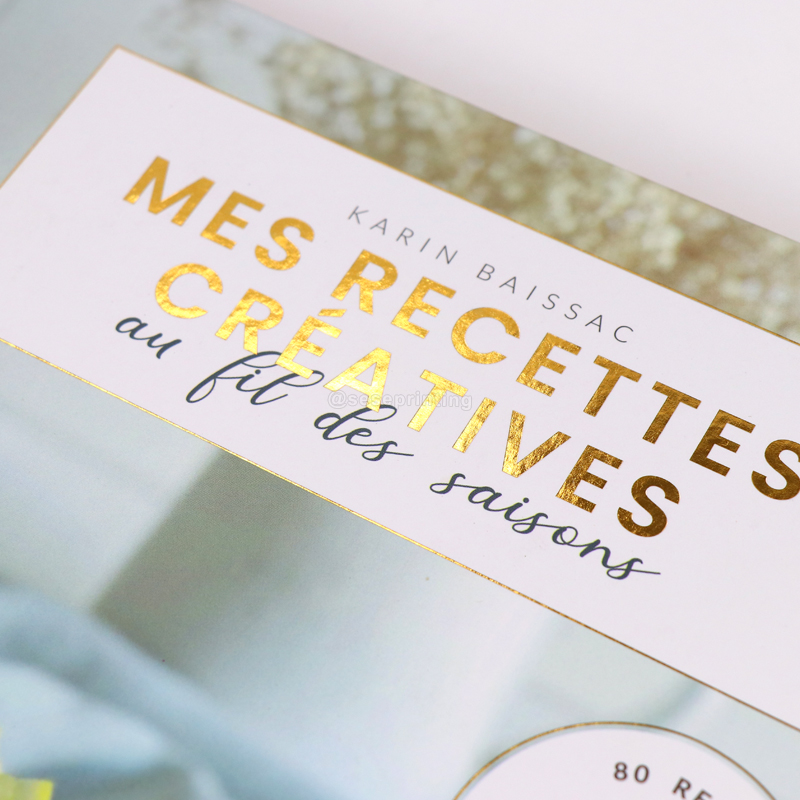
Foil Stamping: Involves applying a thin layer of metallic or colored foil to specific areas of the cover for a luxurious and eye-catching finish.
Dust Jacket:
Dust jackets: Consider including a dust jacket for an additional layer of protection and design. This can be printed separately and wrapped around the hardcover.
Print Proofing:
Proofing Process: Before the final print run, request a print proof to ensure color accuracy, image quality, and overall satisfaction with the finished product.
Working with a Professional Printer:
Printer Selection: Choose a reputable printing company with experience in producing high-quality hardcover books.
Communication: Work closely with the printer to discuss your design specifications, paper choices, and any special finishing options.
E-mail: sales01@seseprinting.com
Mobile phone: +86-13570912663
WhatsApp: 008619066781165
Tel: +86-020-34613569
Add: 702 No. 21 Huizhong Road, Shiqiao St, Panyu District. Guangzhou city, Guangdong Province. China