Quality Custom Book Printing for Authors,Publishers and Creators - SeSe Printing


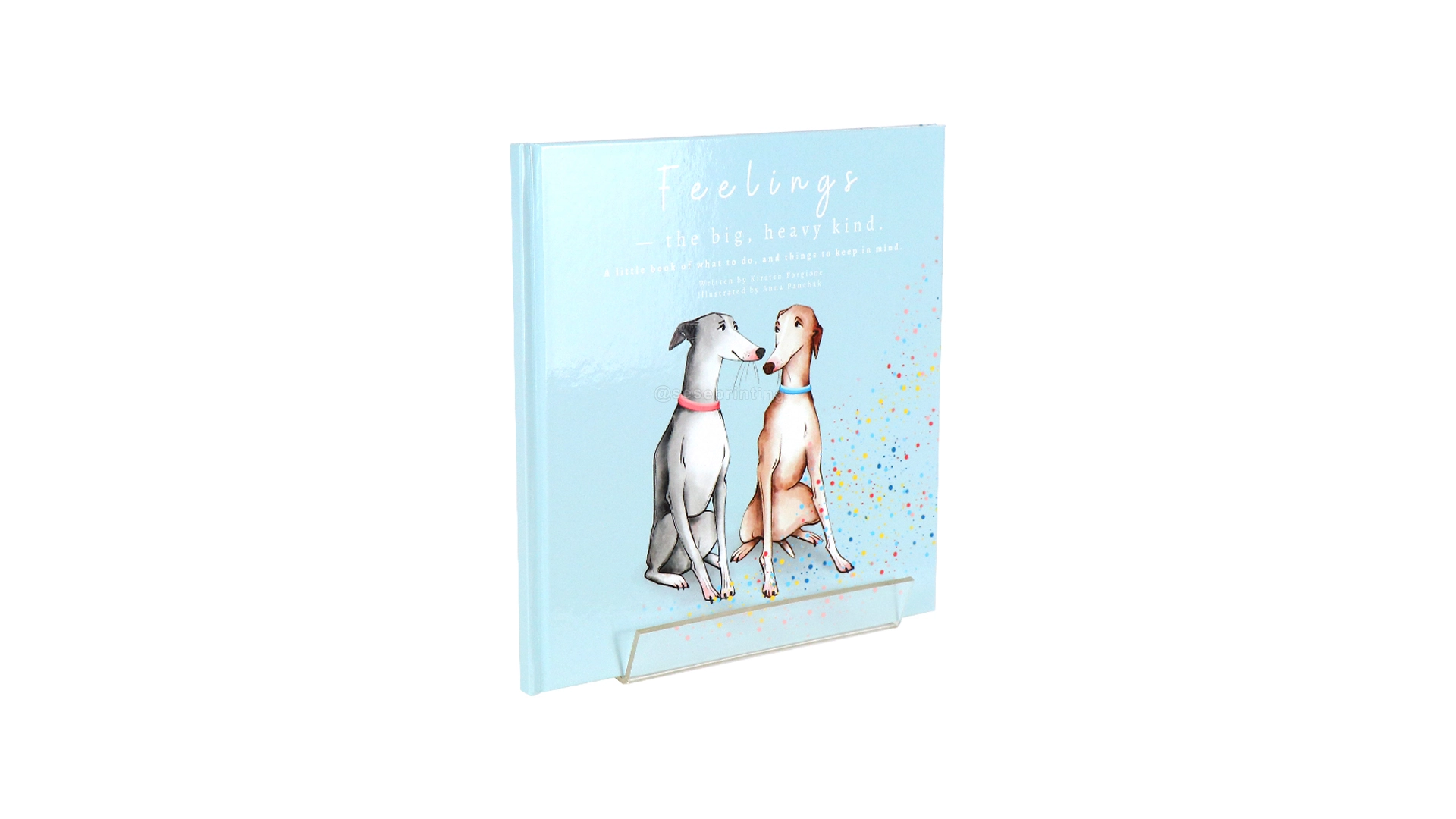
Printing Hardcover Children's Illustration Story Books for Kids
Printed children's illustration books provide a rich visual and imaginative experience that is essential for the development of creativity in children.
Printing Hardcover Children's Illustration Story Books for Kids
| Product Name | Children Books | |||
| Material | Glossy/matt art paper, offset paper, woodfree paper, writing paper, light coated paper, special type paper, C1S C2S board,C1S grey board, kraft paper, light weight coated paper, wood free paper, and so on. | |||
| Binding | Thread sewning binding, flexi-bound binding, saddle-stitching binding, glue binding, wire-o binding, spiral binding,casebound binding, etc. | |||
| Certification | ISO9001, FSC | |||
| Design | From Clients,OEM | |||
| Size | Decided by Client | |||
| Printing | CMYK or Pantone | |||
| Artwork Format | AI, PDF, ID, PS, CDR | |||
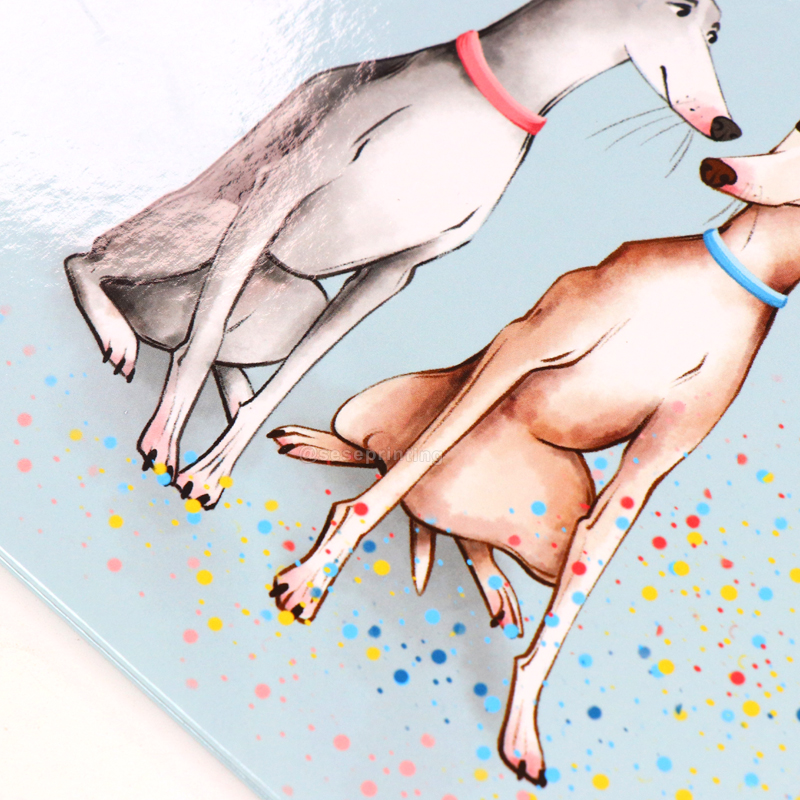
| Finishing | Gloss or Matt Lamination, Spot UV, Emboss, Deboss and Sprayed Edges | |||
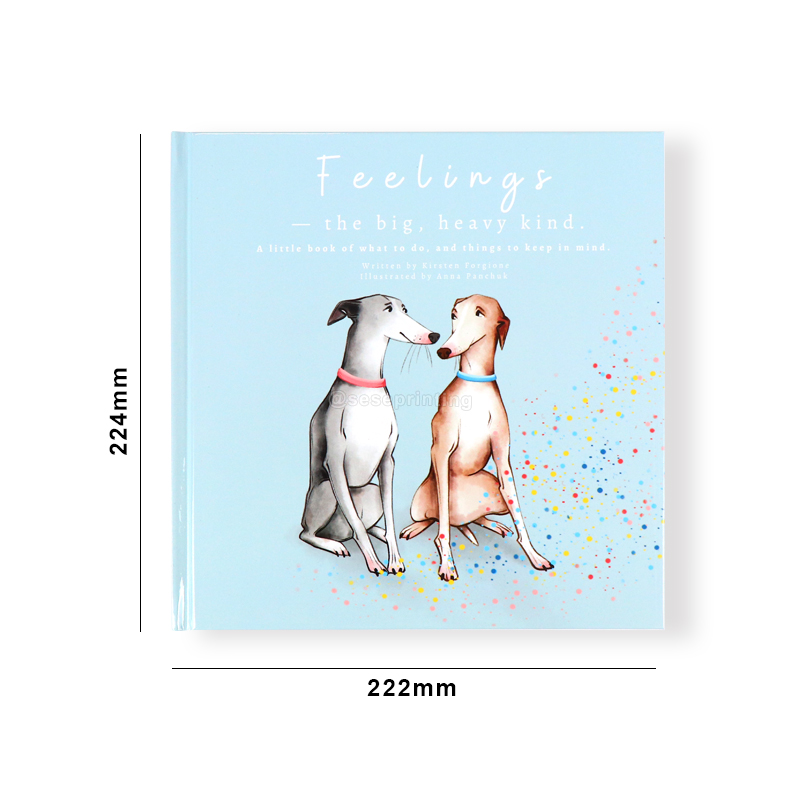
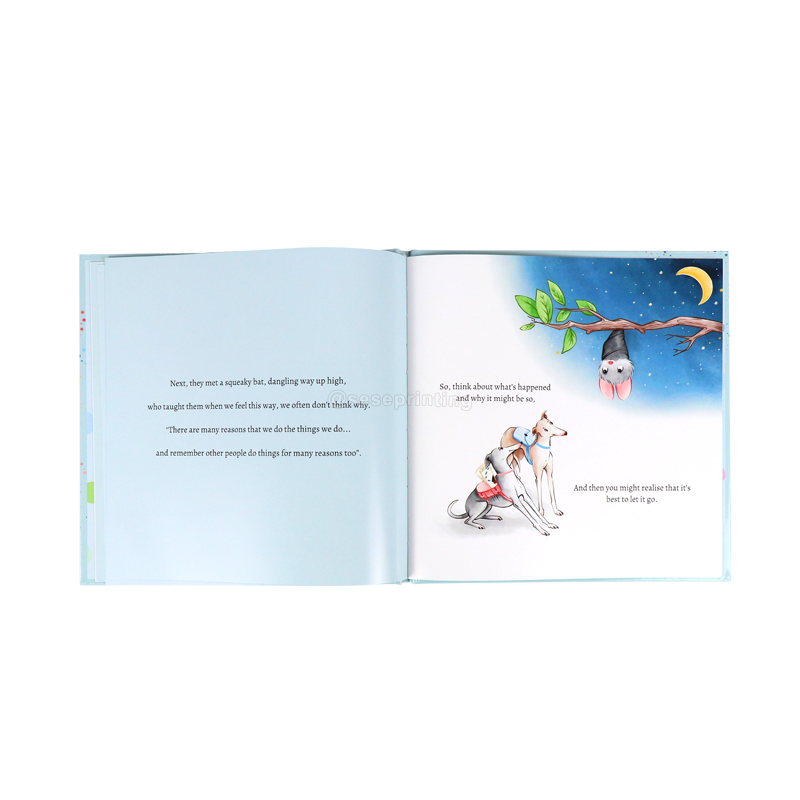

Printed children's illustration books play a crucial role in inspiring creativity in young minds. Here are several ways in which these books contribute to the development of creativity in children:
Visual Stimulation: Children's books are rich in vibrant illustrations that capture a child's attention and stimulate their visual senses. The colorful and imaginative images help children form mental images, encouraging them to visualize and think creatively.
Imagination and Storytelling: Illustrations often accompany engaging stories. When children see characters and scenes depicted in the illustrations, it prompts them to imagine and create their own narratives. This fosters creativity and enhances their storytelling abilities.
Expressive Art: Illustrations themselves are a form of art. When children see different artistic styles and techniques, it inspires them to express themselves creatively through drawing, coloring, and other artistic endeavors.
Symbolic Representation: Children's books often use illustrations to represent abstract concepts or emotions. This encourages children to understand and express their feelings through symbols and imagery, fostering creative thinking.
Cognitive Development: The combination of text and images in children's books aids in cognitive development. Children learn to make connections between words and pictures, enhancing their comprehension skills and encouraging them to make creative associations.
Problem-Solving: Many children's books present characters facing challenges and overcoming obstacles. These stories promote problem-solving skills and encourage children to think creatively about solutions to various situations.
Cultural Exposure: Illustrations in children's books often depict diverse cultures, environments, and perspectives. Exposure to different visuals broadens a child's worldview, fostering an appreciation for diversity and encouraging them to think creatively about the world around them.
Interactive Engagement: Some children's books include interactive elements, such as lift-the-flap features or hidden objects within the illustrations. This engages children actively in the reading process, stimulating their curiosity and creativity.
Role Modeling: Illustrated characters often embody positive qualities, values, and behaviors. Children may be inspired by these characters, using them as role models and integrating these qualities into their own creative play and activities.
Promoting a Love for Reading: Exposure to visually appealing books early in life can instill a love for reading. As children explore various stories and illustrations, they develop a curiosity that extends to other creative pursuits, both inside and outside the realm of literature.
E-mail: sales01@seseprinting.com
Mobile phone: +86-13570912663
WhatsApp: 008619066781165
Tel: +86-020-34613569
Add: 702 No. 21 Huizhong Road, Shiqiao St, Panyu District. Guangzhou city, Guangdong Province. China