Quality Custom Book Printing for Authors,Publishers and Creators - SeSe Printing


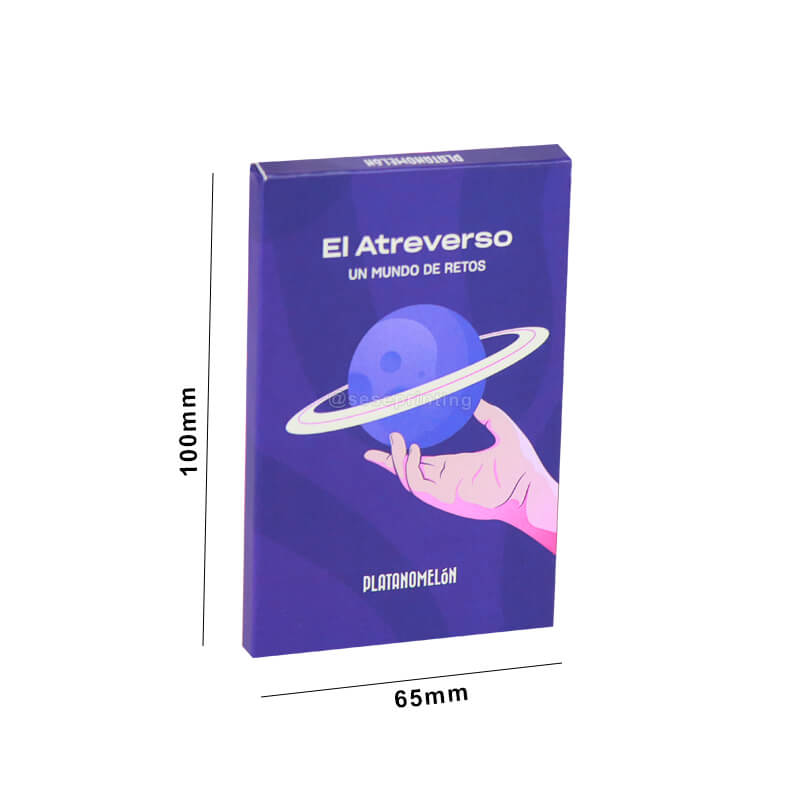
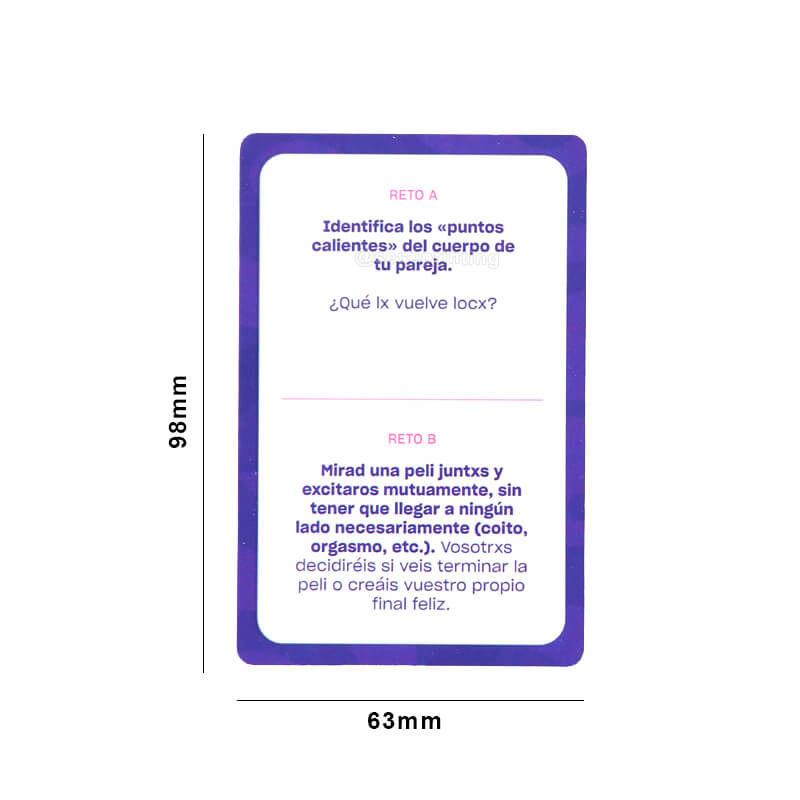
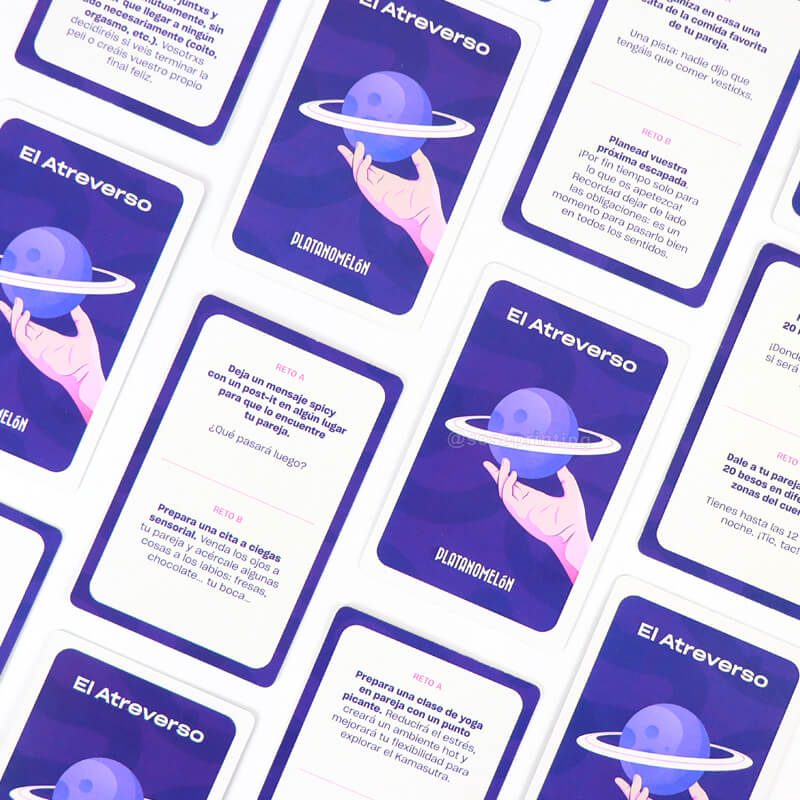
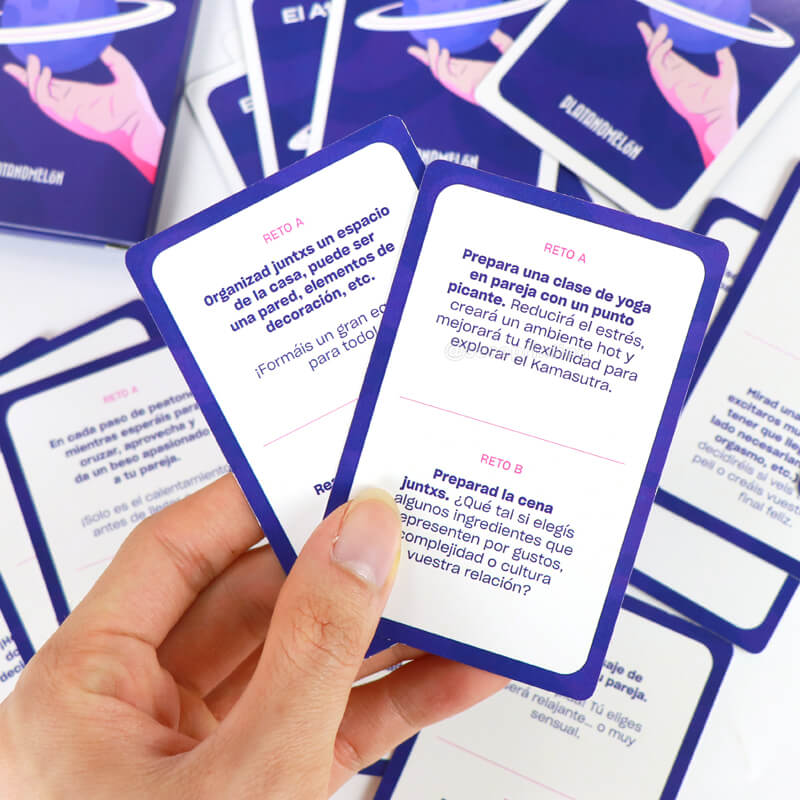
Printing Your Own Artwork Game Cards Custom Playing Card with Box
Whether you’re a designer, artist, or game creator, our durable cards and matching custom box offer the perfect way to showcase your unique game. Ideal for tabletop enthusiasts and collectors, your custom artwork will shine with every shuffle and deal.
Printing Your Own Artwork Game Cards Custom Playing Card with Box
| Product Name | Custom Card Game | |||
| Material | Paper playing cards | |||
| Usage | Education/Entertainment | |||
| Certification | ISO9001, FSC | |||
| Design | From Clients,OEM | |||
| Size | Decided by Client | |||
| Printing | CMYK or Pantone | |||
| Artwork Format | AI, PDF, ID, PS, CDR | |||
| Finishing | Gloss or Matt Lamination, Spot UV, Emboss, Deboss and more | |||
Here’s a step-by-step guide to ensure your game cards look professional and visually stunning:
1. Designing Your Game Cards
Card Dimensions: Standard game cards typically measure 2.5" x 3.5" (63.5mm x 88.9mm), but you can choose a custom size based on your game's requirements.
Artwork Resolution: Ensure your artwork is in high resolution, ideally 300 DPI, to maintain crispness and clarity when printed. Use CMYK color mode for accurate color reproduction.
Card Layout: Design the front and back of each card. Keep in mind the card borders, bleeds (usually 3mm), and safe zones to avoid cutting off important elements during production.
Card Themes: Consistency in the design theme across all cards enhances the visual appeal. Pay attention to color schemes, typography, and overall style to create a cohesive look.
2. Material and Finish
Card Stock: Choose a durable card stock that suits the feel of your game. Popular options include 300gsm or 350gsm with a smooth or linen finish.
Coating Options: To protect your cards and add a professional touch, consider matte or glossy lamination. Glossy gives a vibrant finish, while matte offers a sophisticated, non-reflective look.
Special Effects: You can add special effects like spot UV, foil stamping, or embossing to highlight specific elements of your design, making the cards even more unique.
3. Designing the Custom Box
Box Type: Decide on the box style—tuck box, two-piece box, or magnetic closure box. The box should comfortably fit your deck of cards.
Box Design: Match the box design with your game cards to create a unified look. Ensure the artwork covers all visible areas of the box, including the sides and top.
Material and Finish: Similar to the cards, choose a sturdy material for the box. You can opt for special finishes like matte, glossy, or even a soft-touch coating for an elegant feel.
4. Printing and Production
High-Quality Printing: Select a printing service that specializes in game cards and custom boxes. Ensure they can handle high-quality color printing, precise cutting, and alignment for both the cards and the box.
Sample Proofing: Before mass production, request a sample proof to check the colors, alignment, and overall quality. This step is crucial to catch any errors before the final print run.
5. Packaging and Distribution
Shrink-Wrapping: Consider shrink-wrapping your cards and box for added protection during shipping and to give a polished, professional appearance.
Bulk Orders: If you’re producing a large quantity, discuss bulk pricing and shipping options with sese printing. This can significantly reduce costs and streamline the distribution process.
E-mail: sales01@seseprinting.com
Mobile phone: +86-13570912663
WhatsApp: 008619066781165
Tel: +86-020-34613569
Add: 702 No. 21 Huizhong Road, Shiqiao St, Panyu District. Guangzhou city, Guangdong Province. China