Quality Custom Book Printing for Authors,Publishers and Creators - SeSe Printing


How Paper Weight Impacts Your Brochures Look, Feel, and Effectiveness
How Paper Weight Impacts Your Brochures Look, Feel, and Effectiveness
1. Introduction
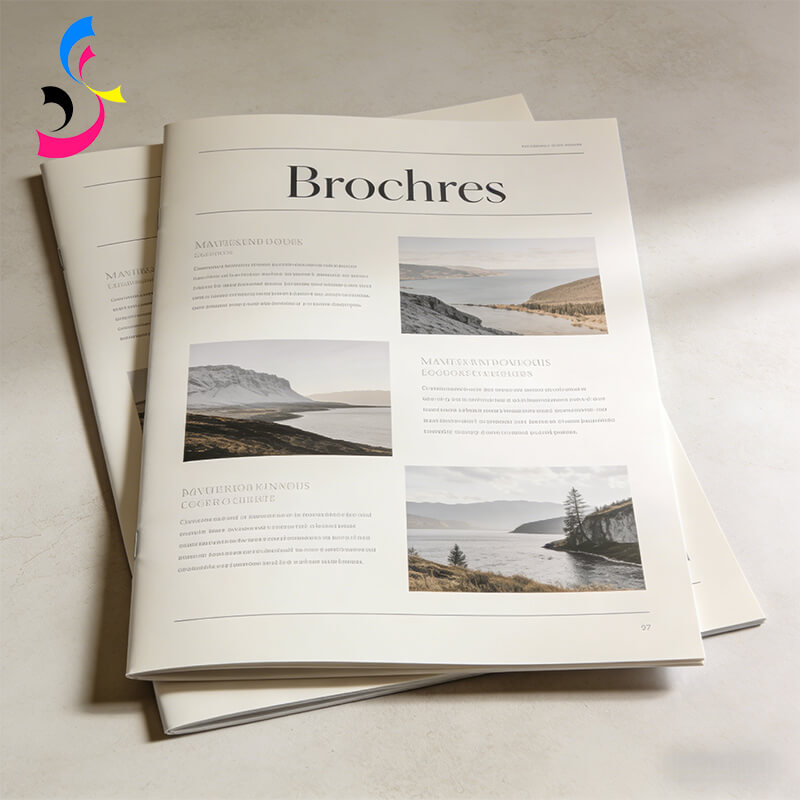
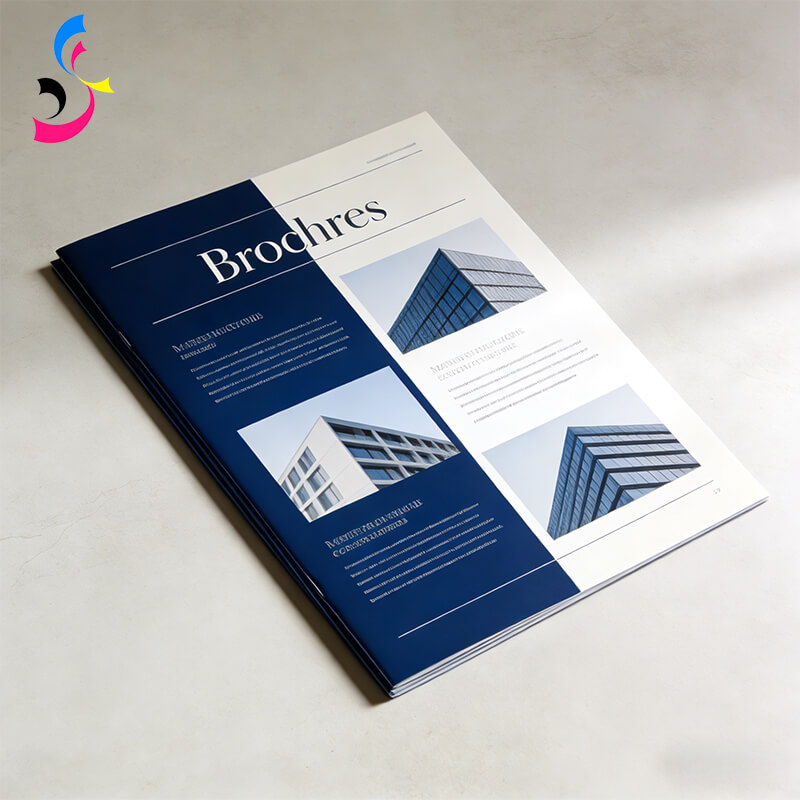
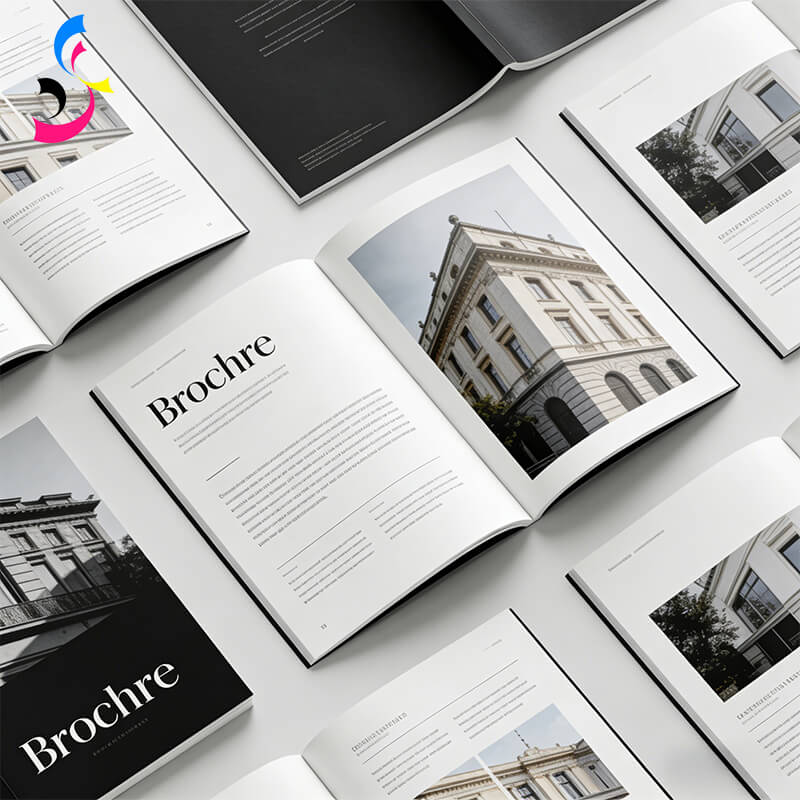

In the world of print marketing, a brochure is often the first tangible touchpoint between your brand and a potential customer. While design, imagery, and copy are crucial, there is one often-underestimated element that silently dictates perception: paper weight. It's the unseen hand that shapes a recipient's immediate judgment. The right paper weight can elevate your message, conveying quality, authority, and value, while the wrong choice can undermine even the most brilliant design. For businesses seeking to make a lasting impression, understanding and strategically selecting paper weight is not a mere detail—it is a fundamental decision in maximizing brochure effectiveness.
2. Understanding Paper Weight: What It Is and How It's Measured
Paper weight refers to the density or thickness of the paper, typically measured in either GSM (grams per square meter) or pounds (lbs). The higher the GSM or pounds rating, the thicker and heavier the paper will be. For instance, a standard text weight paper is usually around 70-90 GSM, while brochures often range from 100-200 GSM, with premium brochures going up to 300 GSM or more.
In the printing industry, paper weight is not just about how heavy a sheet feels, but also about its opacity, texture, and suitability for the type of print job. The type of paper you choose can influence the printing process, including ink absorption and color vibrancy. At Sese Printing, we guide clients through these specifications to ensure clarity and perfect results for every custom brochure project.
3. How Paper Weight Affects the Look of Your Brochure
The first thing people notice about your brochure is its appearance, and the paper weight can have a major impact on this. Lighter paper weights often lend themselves to simpler, more cost-effective designs, ideal for high-volume distribution like promotional flyers or mailers. On the other hand, heavier paper stocks offer a more professional, polished look, making them perfect for brochures meant to convey a sense of luxury or exclusivity.
Thicker paper can help images, logos, and colors pop with more clarity and vibrancy, giving your brochure a more premium appearance. If your brochure features high-quality photography or intricate graphics, a heavier paper weight will help ensure these elements look sharp and visually appealing.
4. The Feel: How Paper Weight Impacts Brochure Perception
Have you ever picked up a brochure and immediately felt it was flimsy or insubstantial? That initial tactile impression can shape how readers perceive your brand. A brochure made with heavier paper gives a sense of quality and professionalism, creating a more lasting impression on the audience.
The feel of a brochure also affects its perceived value. Heavier paper stocks tend to be associated with higher-end products or services, while lighter weights might be better suited for casual promotions. When customers hold a brochure with a substantial weight, they instinctively assume the product or service is more valuable. This is why companies looking to project a premium image often opt for heavy, high-quality paper for their marketing materials.
5. How Paper Weight Affects Brochure Durability
Durability is another important consideration. Brochures that are intended for long-term use, such as informational handouts, event guides, or product catalogs, require paper that will withstand handling and wear and tear. Lighter paper may be more susceptible to tearing or bending, which can detract from the professionalism of your marketing materials.
Heavier paper, however, is more durable and resistant to damage. This means that your brochures will last longer in the hands of your customers, ensuring that your message reaches them without looking worn out. For brochures that need to be durable enough to withstand the rigors of high traffic areas or be mailed to distant locations, opting for a heavier stock can enhance both their effectiveness and longevity.
6. Choosing the Right Paper Weight for Your Custom Brochure
Standard Informational Brochures: For cost-effective, high-volume distributions like rack brochures, a 100 lb. text (approx. 150 gsm) offers a good balance of quality and economy.
Premium Marketing & Sales Brochures: To make a strong impression for high-value products or services, consider an 80 lb. cover (approx. 216 gsm). It feels authoritative and luxurious.
Corporate & Executive Profiles: For the ultimate statement of prestige, a 100 lb. or heavier cover (270+ gsm) creates a booklet-like quality that is unforgettable.
Purpose: What is the purpose of your brochure? A marketing flyer might require a lighter paper to keep production costs low, while a high-end product brochure may demand a thicker, more luxurious paper to reinforce the premium quality of the product.
Target Audience: Understand your audience and their expectations. For a corporate brochure aimed at professionals, a sturdy, heavier paper would be appropriate, whereas a casual event flyer might benefit from a lighter weight paper for ease of distribution.
Brand Image: Your brochure's paper should reflect your brand's image. If your brand stands for luxury and exclusivity, opt for thicker, more premium paper. On the other hand, an eco-friendly brand might consider using recycled or sustainable paper, regardless of weight.
Printing Techniques: Heavier paper tends to handle certain print techniques better, like embossing, foil stamping, or spot UV coatings. If you plan to incorporate these effects, a heavier paper might provide better results and durability.
At Sese Printing, our experts work closely with you to understand your brochure's goals, target audience, and distribution channels. We provide premium paper samples and tailored recommendations, ensuring your custom brochure not only looks stunning but also performs flawlessly, delivering maximum return on your marketing investment.
7. Conclusion: Choosing the Right Paper Weight for Maximum Impact
In conclusion, paper weight is a powerful tool in the design and effectiveness of your brochure. By carefully selecting the right weight, you can significantly enhance the look, feel, and durability of your marketing material, all while reinforcing your brand's message. Whether you're aiming for a high-end, professional brochure or a more lightweight, cost-effective option, understanding how paper weight impacts the perception of your brochure is essential to making the best choice.
At SESE Printing, we specialize in custom brochure printing that allows you to choose the perfect paper weight for your specific needs. Our team can guide you in selecting from a wide range of paper stocks to create a brochure that not only looks great but feels substantial and durable. Contact us today to bring your brochure ideas to life with high-quality, custom printing solutions.

E-mail: sales01@seseprinting.com
Mobile phone: +86-13570912663
WhatsApp: 008619066781165
Tel: +86-020-34613569
Add: 702 No. 21 Huizhong Road, Shiqiao St, Panyu District. Guangzhou city, Guangdong Province. China