Quality Custom Book Printing for Authors,Publishers and Creators - SeSe Printing


How to Create a Leather Bound Book
How to Create a Leather Bound Book?
Creating a leather-bound book is an artistic and thoughtful process, perfect for those who want to add a personal touch to their reading materials or create a premium product. Whether you're publishing a novel, creating a personal journal, or gifting a one-of-a-kind notebook, a leather-bound book offers unmatched sophistication and durability. Here's a step-by-step guide on how to create a custom leather-bound book, with a focus on personalized features and the importance of quality craftsmanship.
1. Introduction: The Appeal of Leather Bound Books
Leather-bound books have a timeless appeal. The rich texture and durability of leather, combined with its elegant appearance, make these books highly coveted items. Custom leather-bound books are perfect for special editions, collector's items, or personal journals. They not only provide a luxurious reading experience but also stand the test of time, offering a keepsake that can last generations.
For anyone looking to add a personal or professional touch to their book, a leather-bound creation adds a level of prestige and craftsmanship that other materials cannot replicate.
2. Step 1: Choosing the Right Leather for Your Custom Book
The first step in creating your leather-bound book is selecting the right leather. Leather comes in various types, each with unique characteristics. Full-grain leather is the top choice for premium books, offering a natural texture that ages beautifully over time. It's durable and rich in color. For a softer feel, you might opt for top-grain leather, which is smooth and less textured.
Consider the type of finish you prefer as well—matte or glossy, embossed or smooth. The leather's color is also a key factor. Dark tones like black, brown, or deep mahogany create a classic, professional look, while vibrant colors can give your book a more modern, eye-catching appeal.
3. Step 2: Customizing the Book's Interior Pages
A. Paper Selection
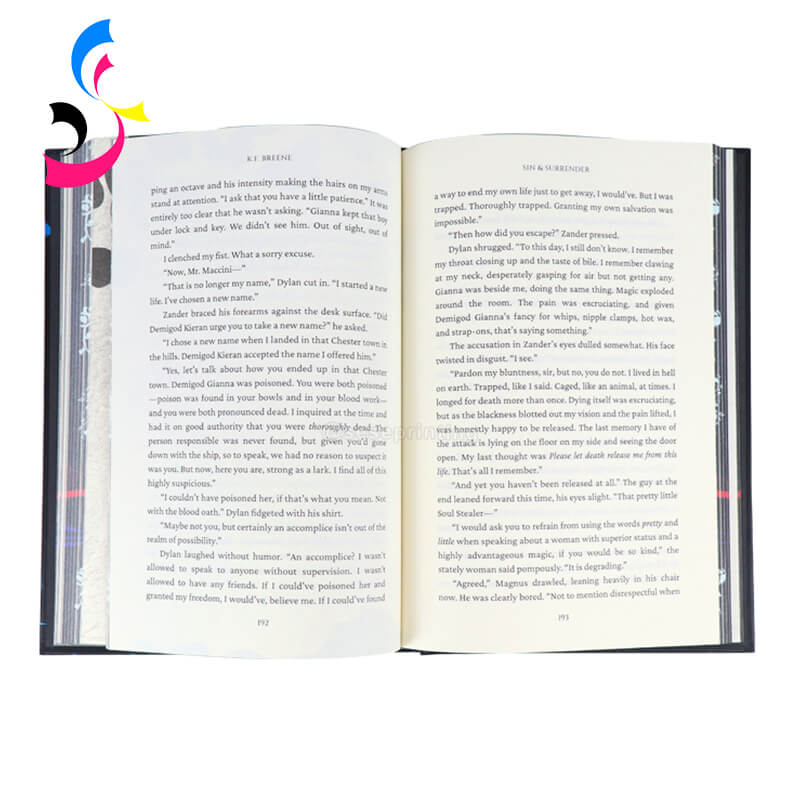
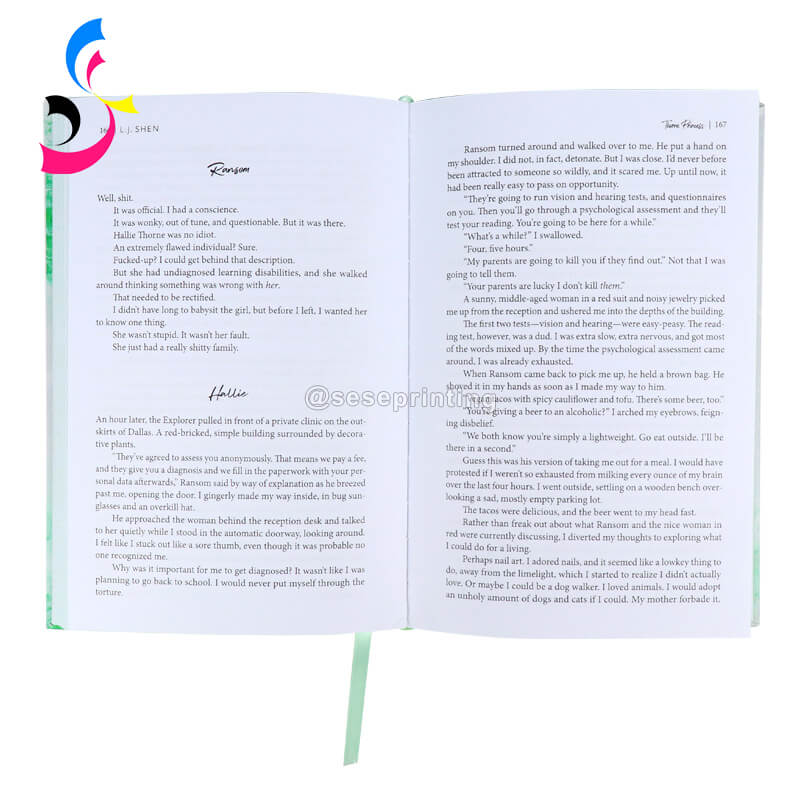

Weight and Texture: Choose the right paper weight for your book's purpose. Thicker paper (e.g., 100-120 gsm) is great for luxury projects, while lighter options (e.g., 80 gsm) are ideal for more economical books. The texture also matters—smooth paper works well for text-heavy books, while textured or watercolor paper is perfect for artistic projects.
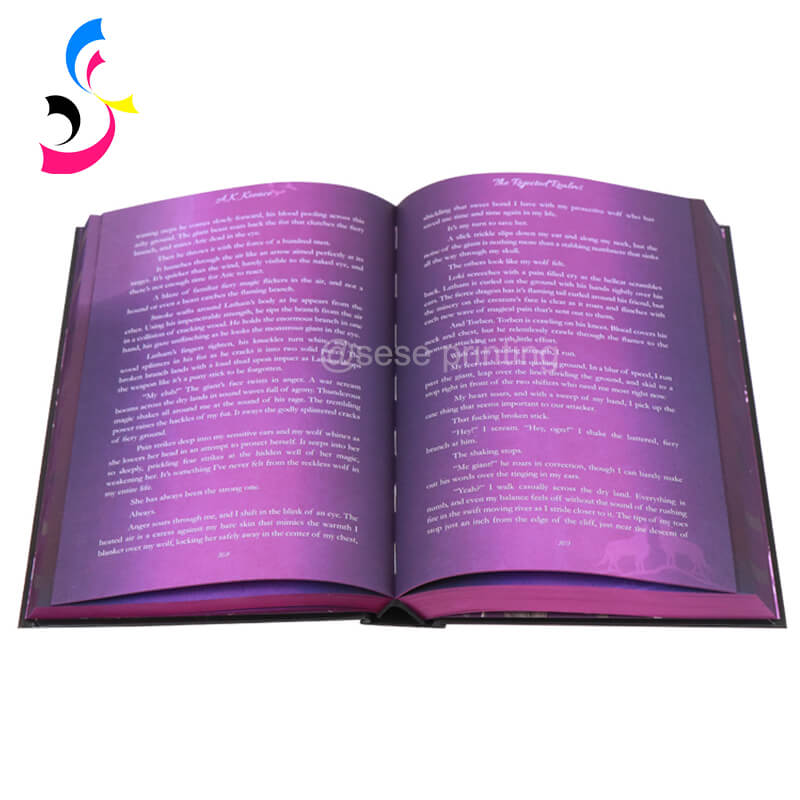
Purple Color
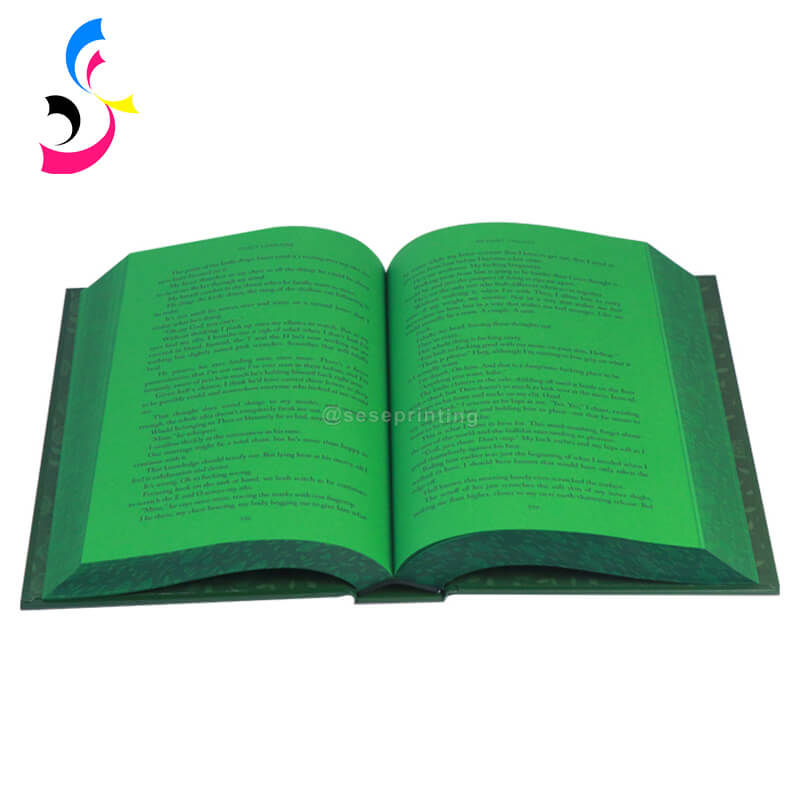
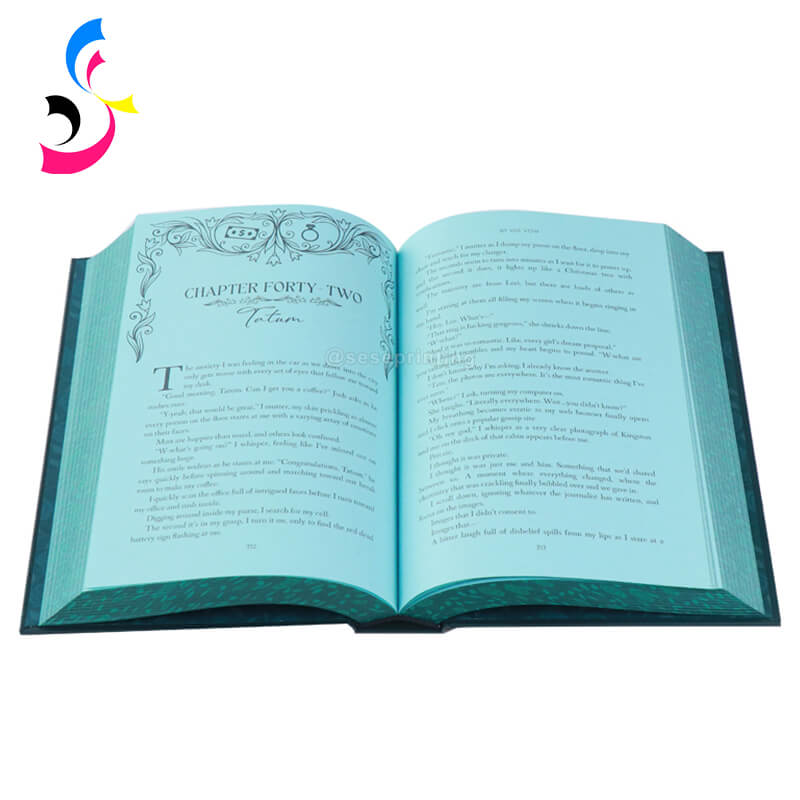
Color: You can go with traditional white or off-white paper, or opt for something more unique like cream or even tinted papers in shades of blue, green, or even grey.
B. Page Layout and Design
Margins and Spacing: You can customize the margins, line spacing, and fonts to create a personalized reading experience. Whether you're printing a novel, a journal, or a special project, these elements can significantly affect the book's aesthetic.
Typography: Select fonts that suit the book's tone. For example, serif fonts give a traditional feel, while sans-serif fonts appear modern and clean. You can even incorporate decorative fonts for chapter headings or titles.
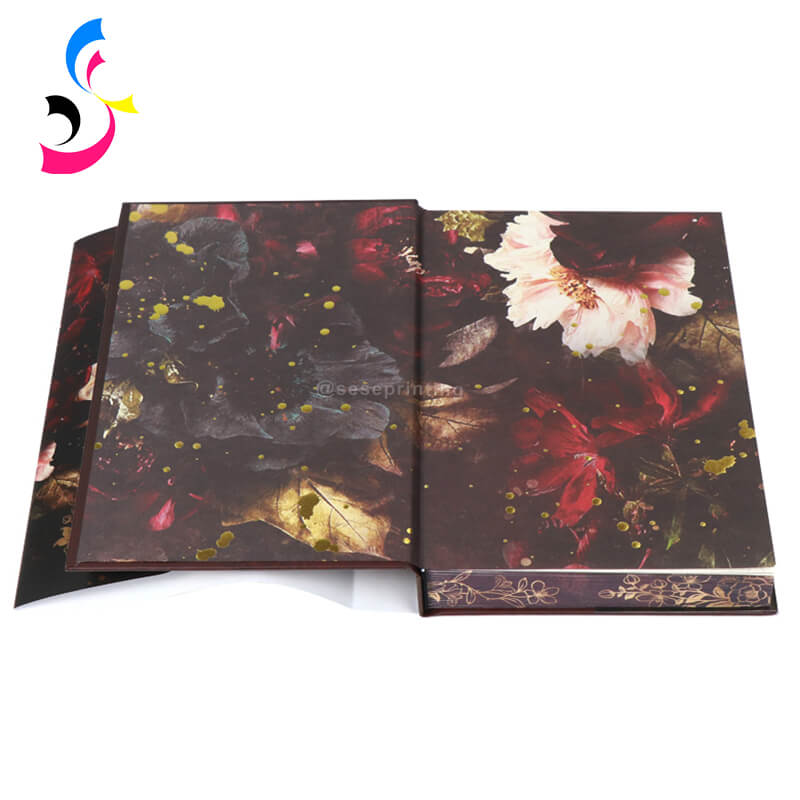
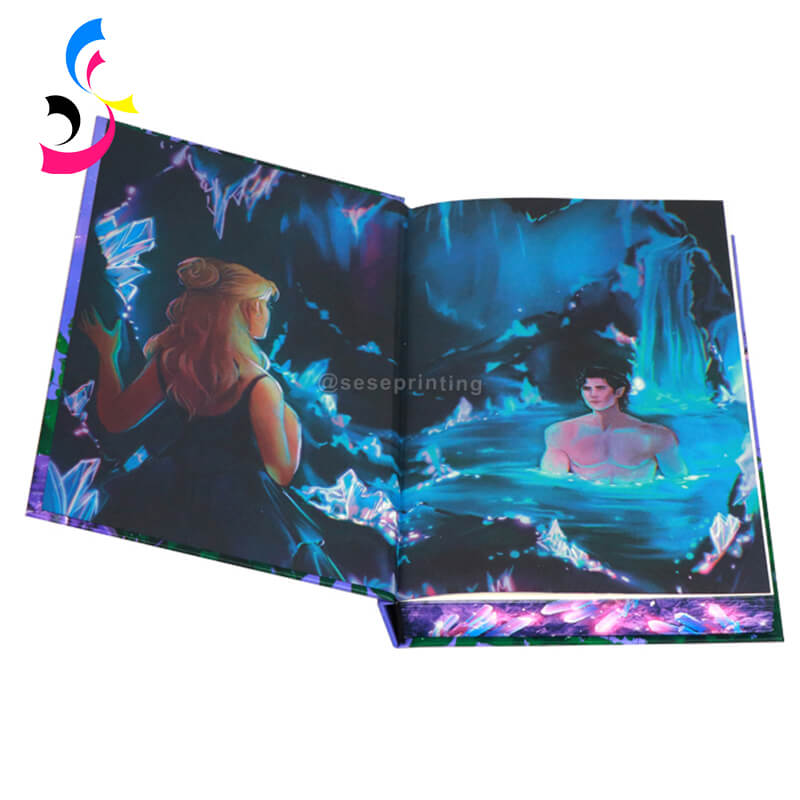

Endpapers: The inside covers of the book, or endpapers, can be a beautiful addition. They can be customized with designs, patterns, or even illustrations that complement the theme of your leather-bound book.
C. Paper Quality for Specific Projects
Acrylic or Synthetic Paper: For durability, you might want to choose synthetic papers, which are waterproof and more resilient to handling. This is particularly useful for journals or diaries.
Recycled Paper: If you're aiming for an eco-friendly custom book, opt for high-quality recycled paper, which can give a unique and organic feel to the interior.
4. Step 3: Leather Cover Customization
Once you've selected the leather, it's time to design the cover. The possibilities are endless:
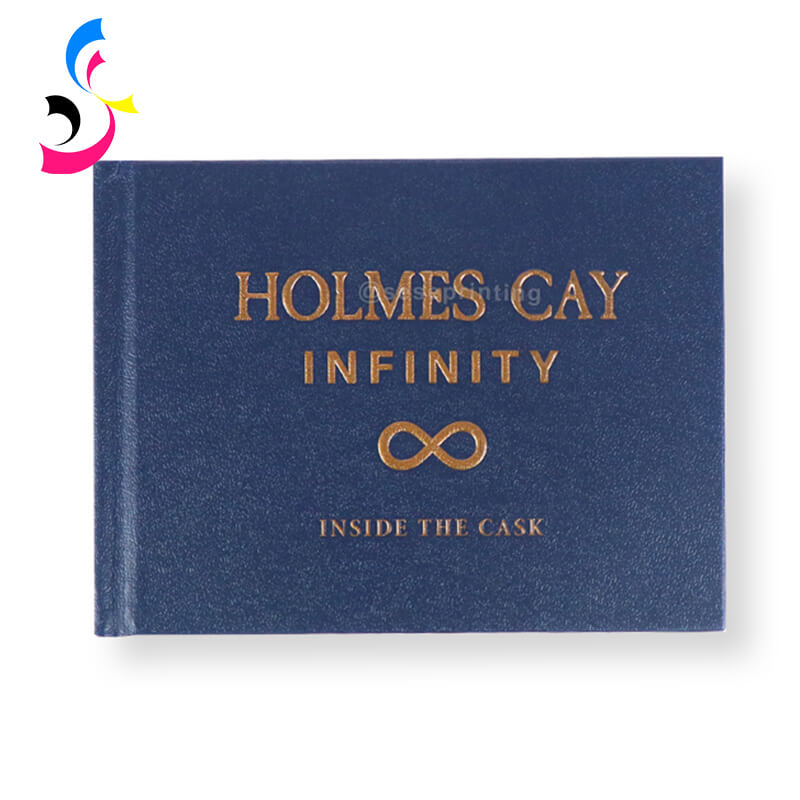
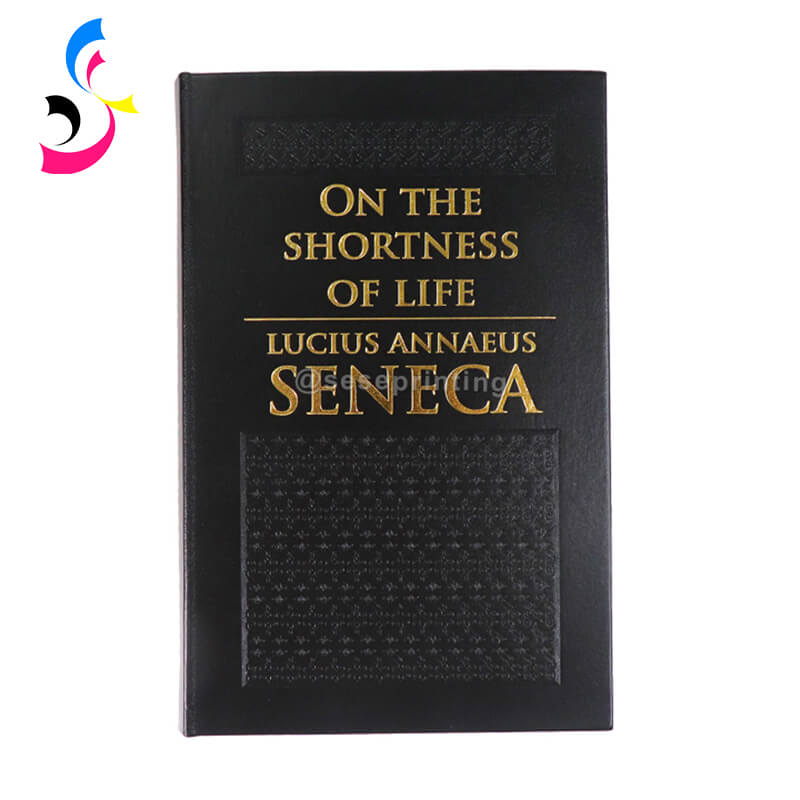
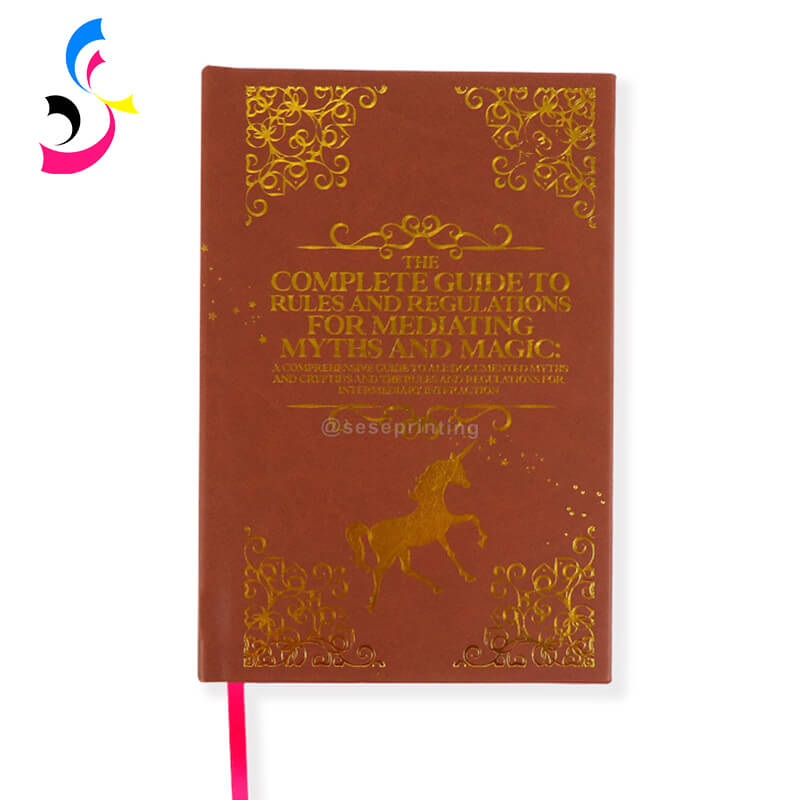
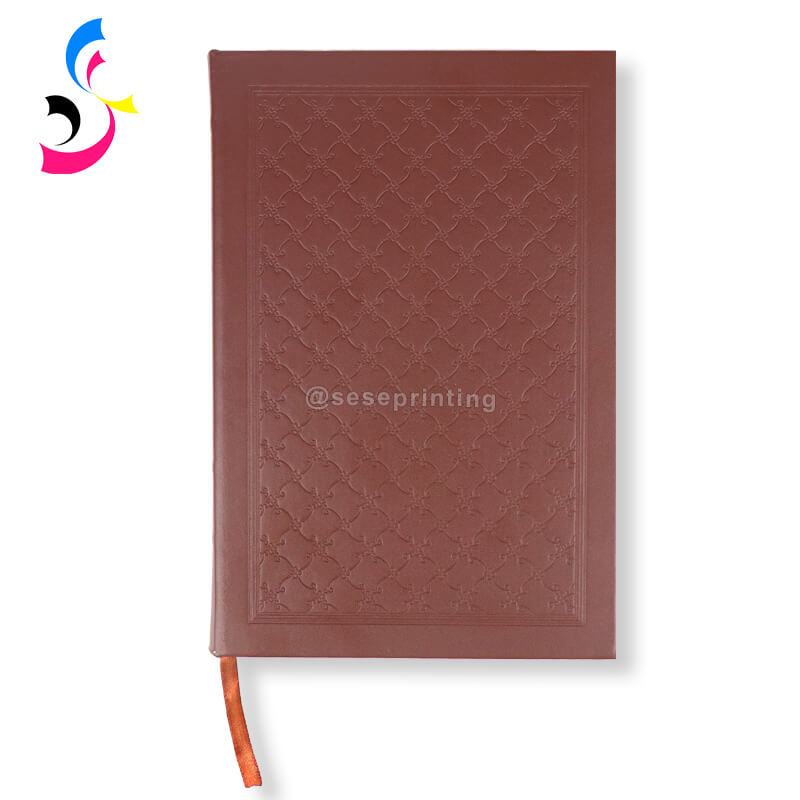
Embossing/Debossing: Creating raised (emboss) or recessed (deboss) designs using heat and pressure.
Foil Stamping: Applying metallic (gold, silver, copper) or colored foil for a luxurious, eye-catching effect.
Hand Tooling: Traditional method using heated tools to impress intricate designs into vegetable-tanned leather (requires high skill).
Printing: Direct printing onto specially prepared leather for complex images or photos.
Spine: Design for titling and decoration. Consider raised bands for a classic look.
5. Step 4: Adding Special Features and Premium Add-Ons
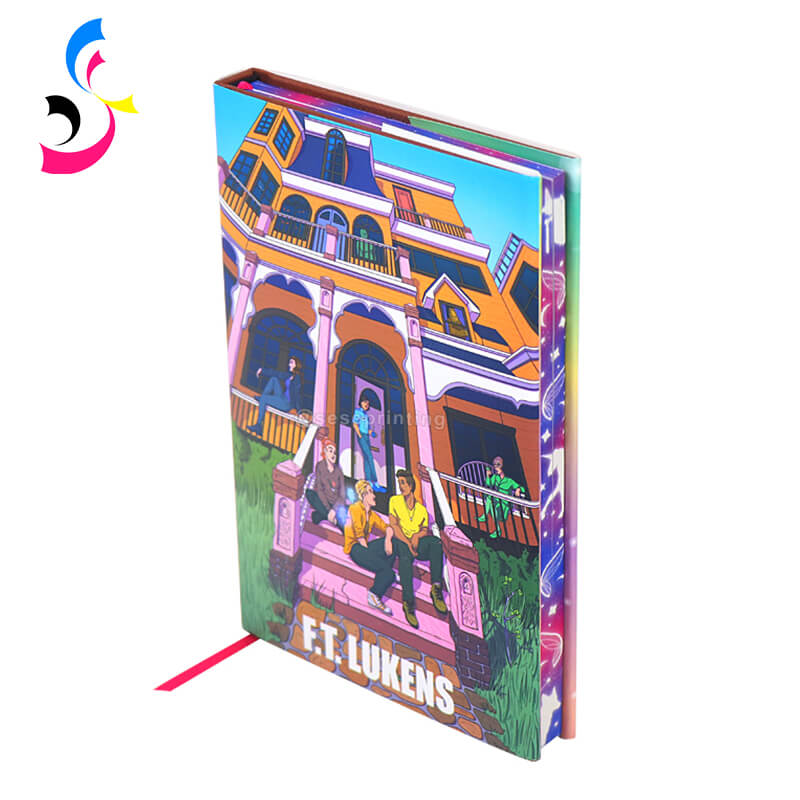
Sprayed Edges
Gilding (Edge Gilding): A meticulous process where gold leaf, silver leaf, or other precious metal leaf is expertly applied and burnished to the trimmed edges of the text block (top, fore-edge, and/or bottom). This creates a lustrous, highly reflective, and luxurious metallic finish. Beyond its stunning visual impact, gilding also offers protection to the page edges from dust, moisture, and handling wear. Different effects like marbling or tooling can sometimes be applied under or over the gilt.
Decorative Endpapers: Sheets of high-quality, visually striking paper that are securely glued (tipped and pasted down) to the inside of the front and back covers (boards) and the first/last leaves of the text block, forming the hinges. These serve both a structural purpose (reinforcing the joint) and a significant aesthetic function, providing an elegant introduction and conclusion to the book's interior. Premium choices include:
a. Hand-Marbled Paper: Unique sheets created by floating pigments on a size (like carrageenan) and transferring the intricate, swirling patterns to paper, each piece being one-of-a-kind.
b. Printed Decorative Papers: High-resolution reproductions of patterns, artworks, or designs on archival paper stock.
c. Plain Color Papers: Deeply saturated, high-quality papers like Colorplan or similar premium stock.
d. Leather or Vellum Doublures: An ultra-luxury option where the inside of the cover boards is lined with fine, pared leather or vellum instead of paper.
Ribbon Marker(s): One or more durable, woven ribbons (commonly silk, satin, or high-quality rayon) securely sewn into the backbone of the text block during binding, typically emerging near the top of the spine. These functional and elegant placeholders allow the reader to mark their page without inserting foreign objects or damaging the pages. Multiple ribbons in different colors can be included for marking several places.
Headbands & Tailbands: Decorative yet functional bands meticulously crafted from silk, cotton thread, leather, or a combination, woven into a specific pattern and securely sewn to the top (head) and bottom (tail) of the book's spine, directly onto the text block. Traditionally, these reinforced the vulnerable spine ends, provided additional support during pulling, and helped fill the gap between the spine and the cover. Today, while their structural role is less critical with modern adhesives, they remain a hallmark of fine craftsmanship and add significant visual refinement, elegance, and a finished look to the spine.
Clasps or Straps: Functional and often ornate closure mechanisms designed to hold the book securely shut, protecting the text block and ensuring the covers remain flat. These can range from simple leather thongs with bone or metal pins to elaborate engraved metal clasps or buckles. Materials include brass, bronze, silver, steel, or leather matching the binding. They add historical authenticity, security, and a distinctive decorative element, especially to larger or thicker volumes.
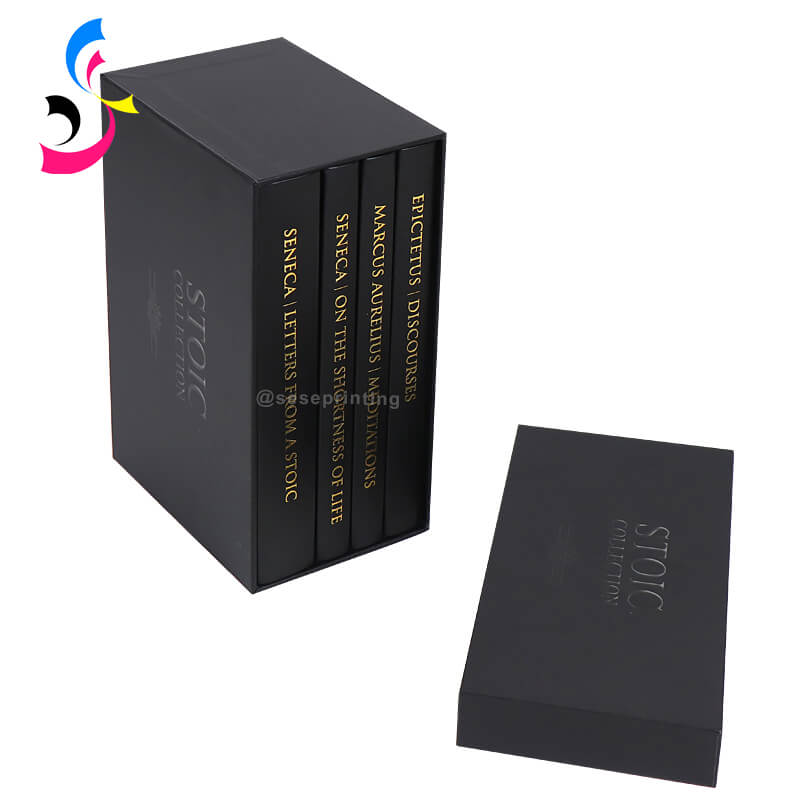
Slipcases or Clamshell Boxes: Custom-made protective enclosures constructed to precisely house and safeguard the book:
a. Slipcase: A five-sided box (open on one end) usually made from rigid archival board covered in bookcloth, leather, or high-quality paper. The book slides in and out. It protects from dust, light, and shelf wear while displaying the spine.
b. Clamshell Box: A two-piece, lidded box (like a clamshell) made from rigid archival board. The bottom tray holds the book, and the lid fits snugly over it. Often covered in bookcloth, leather, or paper, it provides superior protection on all sides. Clamshells offer the highest level of archival protection and presentation, suitable for valuable or delicate volumes. Both can be lined with inert materials like acid-free felt or moiré silk for added protection and luxury.
6. Step 5: Binding and Assembly Techniques
Sewing Method: Smyth-sewn binding (signatures sewn through the fold) is the gold standard for durability and allowing the book to lie flat. Oversewing is stronger for very thick books but less flexible.
Backing: Rounding and backing the sewn spine creates its characteristic shape and helps the book open properly.
Lining: The spine is lined with mull (coarse cloth) and often paper for reinforcement.
Attaching Covers: The text block is carefully attached to the leather covers using strong endpapers and adhesive. The leather is skillfully folded over the cover boards (bookbinding boards) and adhered.
7. Step 6: The Printing Process for Custom Leather-Bound Books
Digital Printing: Ideal for short runs, variable data, or complex designs. Offers high quality and flexibility.
Offset Printing: Best for larger quantities, offering exceptional color fidelity and cost-effectiveness at scale.
Ink Quality: Use archival-quality, fade-resistant inks to ensure longevity.
Professional Expertise: Precision alignment during printing and binding is crucial, especially for elements near the spine. Partnering with a specialist like Sese Printing ensures seamless integration of complex printed interiors with handcrafted leather binding.
8. Step 7: Final Touches and Quality Control
Drying & Pressing: The assembled book is carefully pressed under weight to ensure a firm bond and flat shape while the adhesives fully cure.
Edge Treatment: Gilding (if chosen) is applied meticulously at this stage.
Rigorous Inspection: Every aspect is checked: binding integrity, cover alignment, leather finish, printing quality, functionality of add-ons (ribbons, clasps), and overall craftsmanship. Any imperfections are addressed.
Cleaning & Polishing: The leather is gently cleaned and polished to enhance its natural beauty.
9. Conclusion: Why Custom Leather-Bound Books Are Worth the Investment
Custom leather-bound books are more than just a product—they're an investment in quality, craftsmanship, and personal expression. Whether you're creating a special edition for your collection, designing a gift, or publishing a professional portfolio, the effort that goes into a custom leather-bound book ensures that it will last for years.
These are not merely books; they are:
Heirlooms: Designed to last generations, becoming treasured family artifacts.
Statements of Prestige: Conveying importance and value for special editions, corporate awards, or executive gifts.
Unique Expressions: Reflecting personal taste or brand identity in a tangible, sophisticated way.
Unparalleled Durability: Leather and quality binding protect the contents far better than standard bindings.
Sensory Experiences: The feel, smell, and visual appeal elevate the act of reading or writing.
For a project demanding the highest level of craftsmanship, from intricate leatherwork and premium add-ons to seamless integration of custom printed interiors and flawless binding, partnering with experts is essential. Sese Printing specializes in transforming your vision into exquisite, handcrafted leather-bound masterpieces. We combine traditional bookbinding techniques with cutting-edge printing technology and meticulous quality control to deliver books that are not only stunning but built to endure. Invest in timeless elegance – let Sese Printing bring your custom leather-bound book to life.

E-mail: sales01@seseprinting.com
Mobile phone: +86-13570912663
WhatsApp: 008619066781165
Tel: +86-020-34613569
Add: 702 No. 21 Huizhong Road, Shiqiao St, Panyu District. Guangzhou city, Guangdong Province. China