Quality Custom Book Printing for Authors,Publishers and Creators - SeSe Printing


How to Get Sprayed Edges on Books
How to Get Sprayed Edges on Books: A Comprehensive Guide
1. Introduction
Sprayed edges – the captivating, colourful, or shimmering finishes applied to the page edges of a book – have exploded in popularity, transforming ordinary books into collectible works of art. Moving far beyond simple white or off-white, sprayed edges add a unique aesthetic dimension, create stunning visual impact on shelves, and offer authors and publishers a powerful tool for special editions and reader engagement. This guide explores everything you need to know about acquiring this sought-after feature for your book project.
2. Types of Sprayed Edges
Sprayed edges add a beautiful and customized finish to books, transforming them into unique collector's items or special gifts. There are several types of sprayed edges, each offering a different aesthetic and purpose. Here are the most common types:
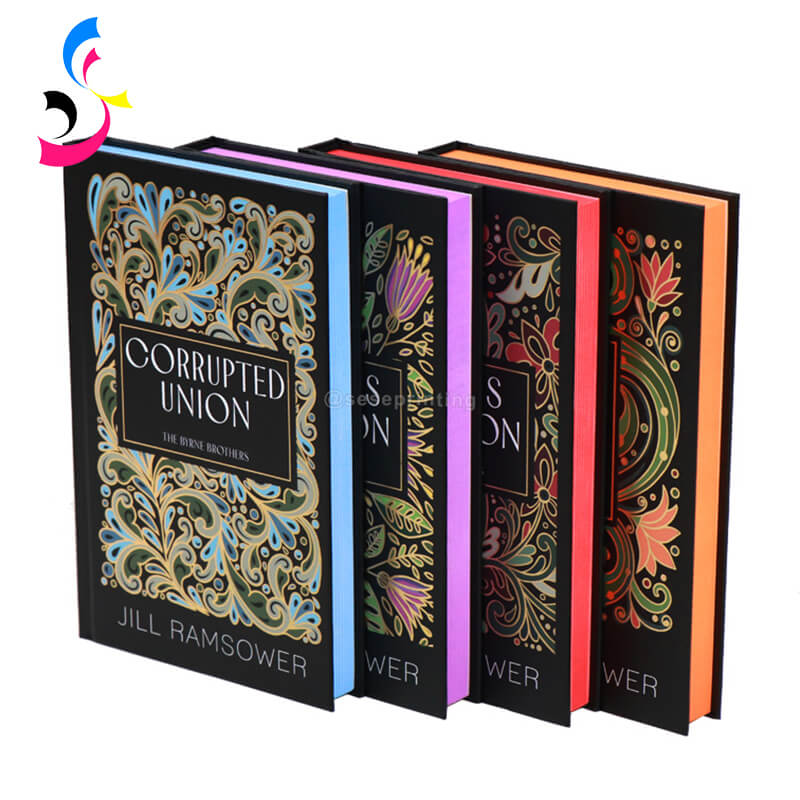
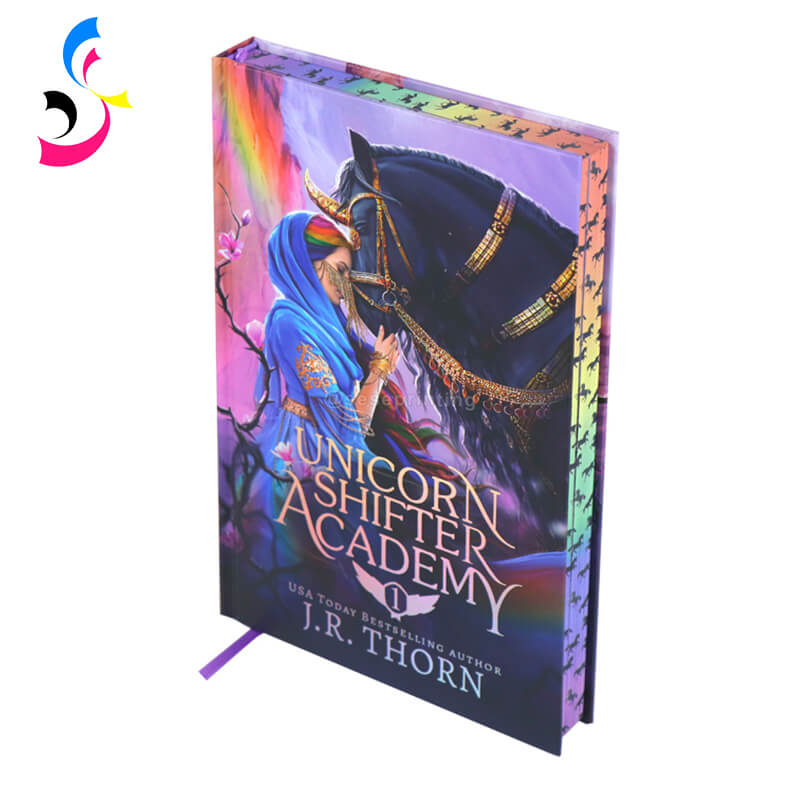
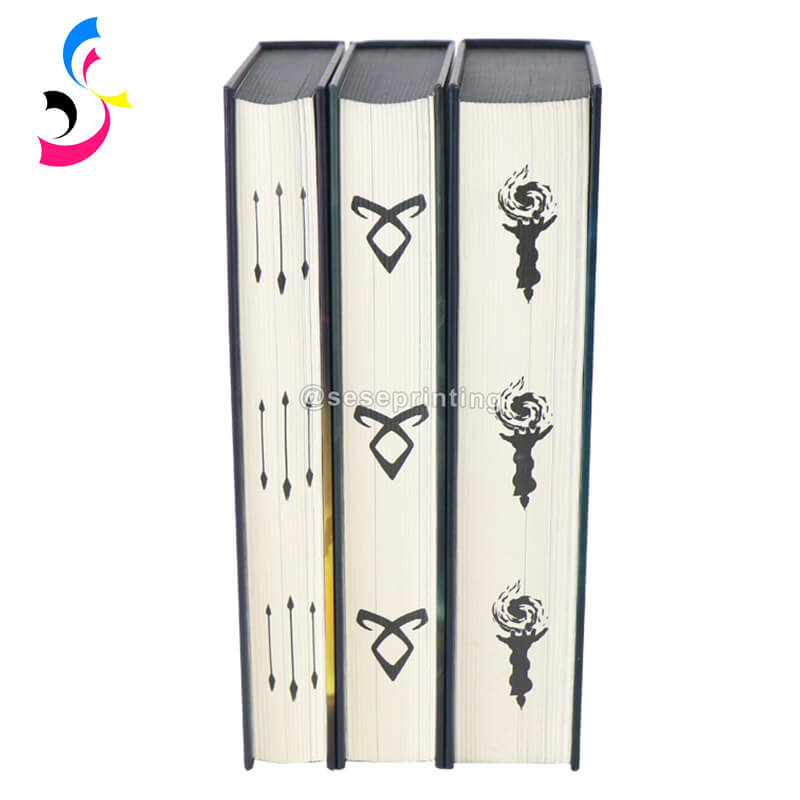
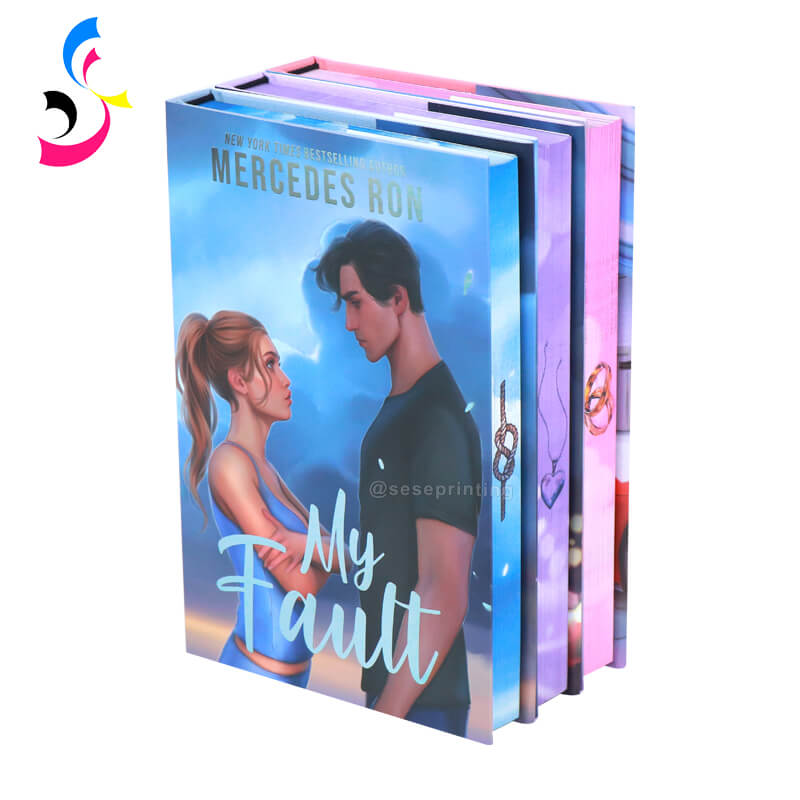
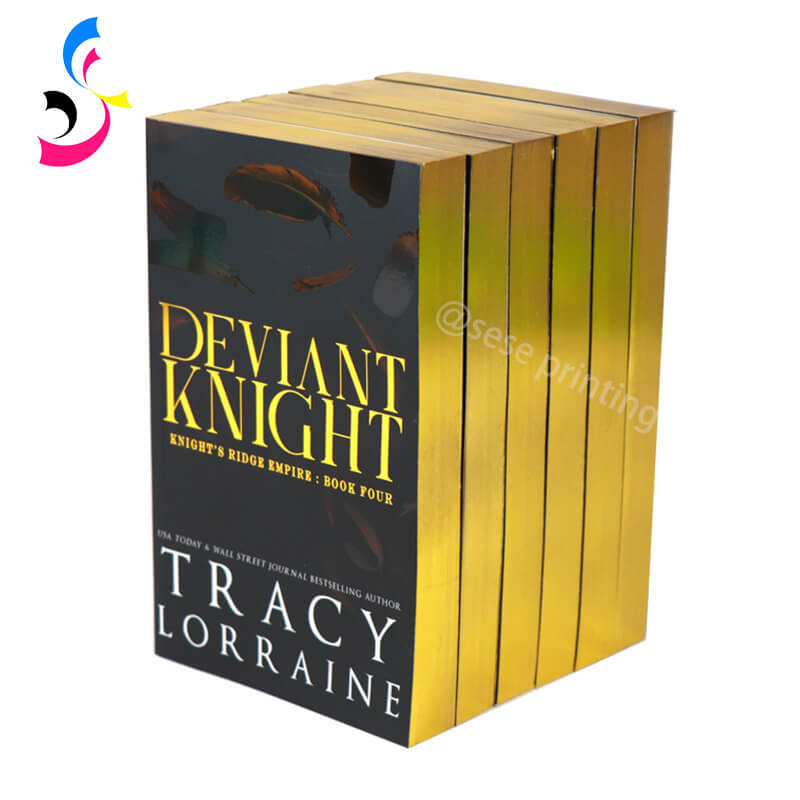
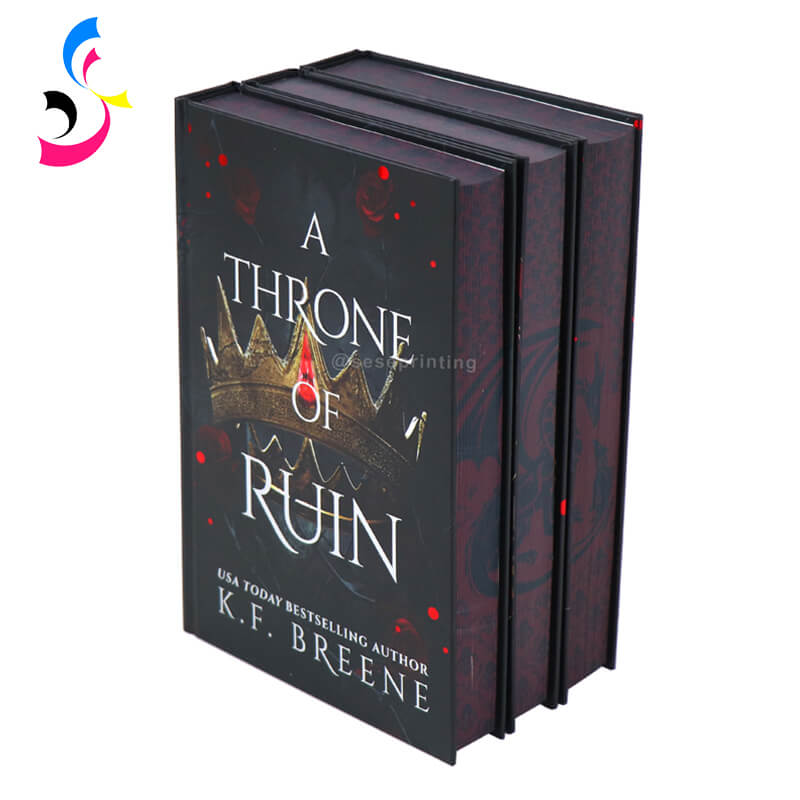
Solid Color Sprayed Edges
This is the most classic and widely used style. The edges of the book are uniformly sprayed with a single color—commonly red, black, blue, or custom colors matching the book's cover.
Use case: Book series, special editions, author giveaways.
Effect: Clean, elegant, and eye-catching.
Ombre or Gradient Sprayed Edges
These edges feature a smooth transition between two or more colors, creating a soft gradient effect across the edge of the pages.
Use case: Fantasy novels, romance books, indie editions.
Effect: Visually dynamic and artistic.
Stenciled Sprayed Edges
This style involves spraying a solid background color and applying a stencil design on top, such as symbols, logos, or titles.
Use case: Themed releases, fandom collections, deluxe editions.
Effect: Highly customized and brand-specific.
Patterned or Printed Edges
Instead of sprayed paint, these edges are printed with intricate patterns, floral designs, or custom graphics using specialized printing methods.
Use case: Gift books, journals, luxury planners.
Effect: Premium, ornamental, and full-color.
Foiled or Metallic Sprayed Edges
Metallic paints or foils are used to give the edges a shiny gold, silver, or holographic finish.
Use case: Collector's editions, religious books, luxury titles.
Effect: Luxurious, reflective, and eye-catching.
Illustrated or Scene Edges
An image or scene is hand-painted or digitally printed across the three edges, sometimes forming a complete picture when the book is closed.
Use case: Art books, limited editions, collector's market.
Effect: Stunning and truly one-of-a-kind.
3. Who Can Get Sprayed Edges?
Sprayed edges aren’t just for big publishers anymore. Today, they're accessible to:
Traditional Publishers: For special editions, limited runs, or even standard hardcovers to boost appeal.
Self-Published Authors: A key way to make print books stand out, increase perceived value, and delight readers.
Small Presses & Indie Publishers: Differentiate their offerings and create premium products.
Book Artists & Crafters: For unique, handmade editions or artistic projects.
Hobbyists & Enthusiasts: To personalize existing books (DIY approach).
4. Ways to Get Sprayed Edges
Whether you're an independent author, a small publisher, or a collector looking to enhance your favorite books, there are two main ways to get sprayed edges: working with a professional printer or doing it yourself at home.
Option 1: Work with a Custom Book Printer
Working with a custom printing company is the most reliable way to get professional, high-quality sprayed edges.
Why choose this option:
Precision & Durability: Professional printers use specialized equipment and techniques to apply even, fade-resistant sprayed edges.
Customization: Choose from solid colors, gradients, foils, or intricate stenciled designs.
Volume Options: Suitable for bulk orders and special edition runs.
Added Features: Printers often offer additional finishing options like foil stamping, ribbon bookmarks, printed endpapers, and hardcovers.
Recommended for: Authors, publishers, Kickstarter campaigns, and anyone creating books for resale or gifting.
Example: One trusted partner is Sese Printing, a custom book manufacturer that offers various edge-spraying styles, including solid colors, gradients, stencils, and foils. We specialize in hardcover and softcover books, journals, planners, and more. Add-ons like ribbon bookmarks, foil stamping, and endpaper.
Option 2: DIY Sprayed Edges at Home
If you're on a budget or just want a creative project, you can spray the edges of a book yourself using a few simple tools.
What you'll need:
Spray paint (acrylic or fabric-safe)
Painter's tape or clamps
Protective sheets or newspaper
Gloves and a mask (for safety)
Steps:
Clamp the book tightly shut to prevent paint bleed.
Cover the covers and spine with tape or paper.
Spray evenly across the edges in a well-ventilated area.
Let dry fully before handling.
Pros and Cons of DIY
Pros Cons
Budget-friendly Less precise finish
Fun, creative process Risk of damaging pages or cover
One-of-a-kind result Not ideal for resale or gifting
Recommended for: Personal use, craft projects, or collectors experimenting with aesthetics.
By choosing the method that suits your needs, you can transform any book into a visual masterpiece.
5. Choosing the Right Printer (If Not DIY)
Selecting a printer experienced in sprayed edges is crucial:
Expertise: Ask specifically about their sprayed edge capabilities and experience. Request samples!
Range: Can they do solid, metallic, gradients, under-edge?
Quality Control: How do they ensure consistent colour and coverage? Ask about their process.
Paper Compatibility: Some papers (especially very smooth or coated) might not hold paint as well. Discuss your chosen paper.
Communication: Are they responsive and clear about requirements and limitations?
Cost Structure: Understand their pricing model (setup fees + per-unit cost). Get detailed quotes.
Minimum Order Quantities (MOQs): Ensure their MOQ aligns with your print run needs. Printers like sese printing often cater to various run sizes.
6. Cost Considerations
Costs vary significantly:
Printer Production: Adds a premium to the unit cost. Factors include:
Number of colours/effects (Metallics > Solids, Gradients > Solids).
Complexity (Stencilling >> Solid colour).
Print run size (Higher quantities lower the per-unit cost).
Printer's specific pricing. Expect a cost addition ranging from a few cents to several dollars per book.
DIY: Primarily the cost of paint/spray, masking materials, and tools (clamps). Very low monetary cost, but high time/effort/risk cost.
7. Tips for a Successful Sprayed Edge Design
Complement the Cover: Choose colours that harmonize or intentionally contrast with the cover design for maximum impact.
Consider Genre & Tone: A dark fantasy novel might suit deep blues/blacks/metallics, while a romance might use soft pinks/golds.
Pantone (PMS) is Key: Always provide specific PMS colour codes to your printer for exact colour matching. Don't rely on descriptions or RGB/CMYK values.
Metallics Shine (Literally): Metallics are popular for a reason – they add significant perceived value and luxury.
Keep it Legible (Sometimes): If text or intricate patterns are involved (stencilled), ensure they are large/simple enough to be visible and reproducible.
Under-Edge Surprise: Use this for hidden artwork related to the book's plot or themes.
Review Physical Proofs: Never approve sprayed edges based on a digital mockup alone. Check a physical proof.
8. Common Mistakes to Avoid
Not Specifying Clearly: Assuming "sprayed edges" is enough detail. Specify type (solid, metallic), colour (PMS), and which edges (top/fore-edge/bottom/all three).
Skipping the Physical Proof: Colour on paper edges can look different than on screen or swatches.
Choosing the Wrong Paper: Some papers absorb paint differently or resist adhesion. Consult your printer.
Underestimating DIY Difficulty: Expecting professional results from a home setup often leads to disappointment and damaged books.
Ignoring Durability (DIY): DIY edges often rub off easily. Sealing is difficult without damaging the book.
Insufficient Clamping (DIY): Leads to paint bleeding between pages.
Forgetting MOQs: Not confirming the printer's minimum order quantity for sprayed edges.
9. Examples and Inspiration
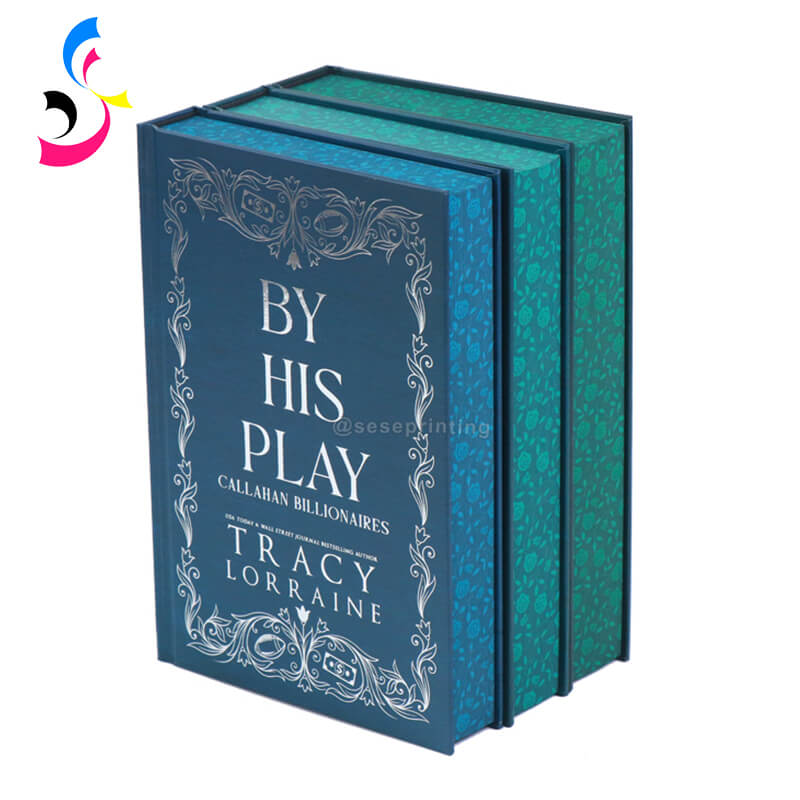
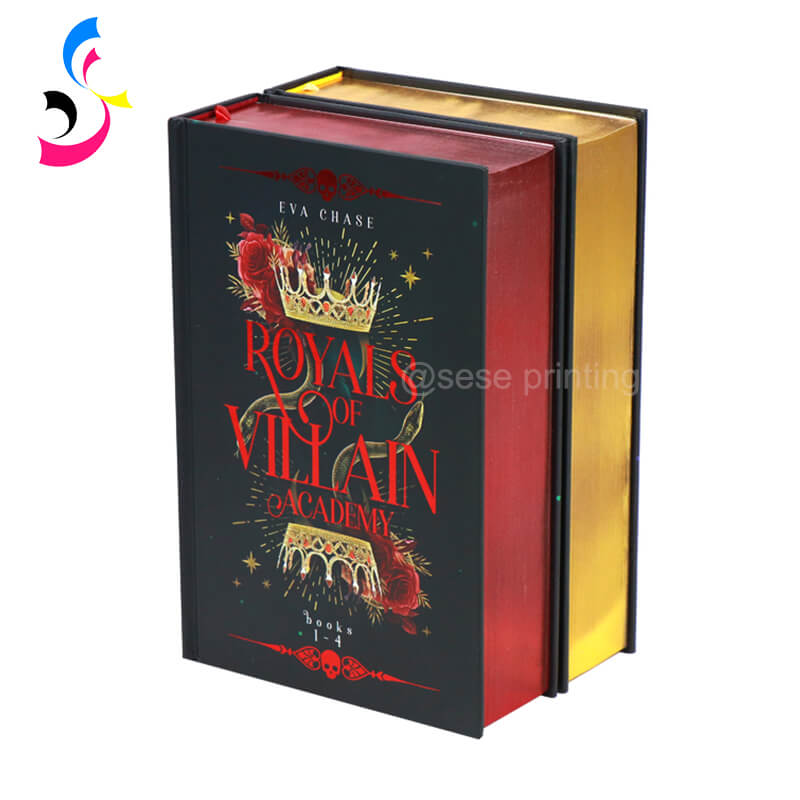
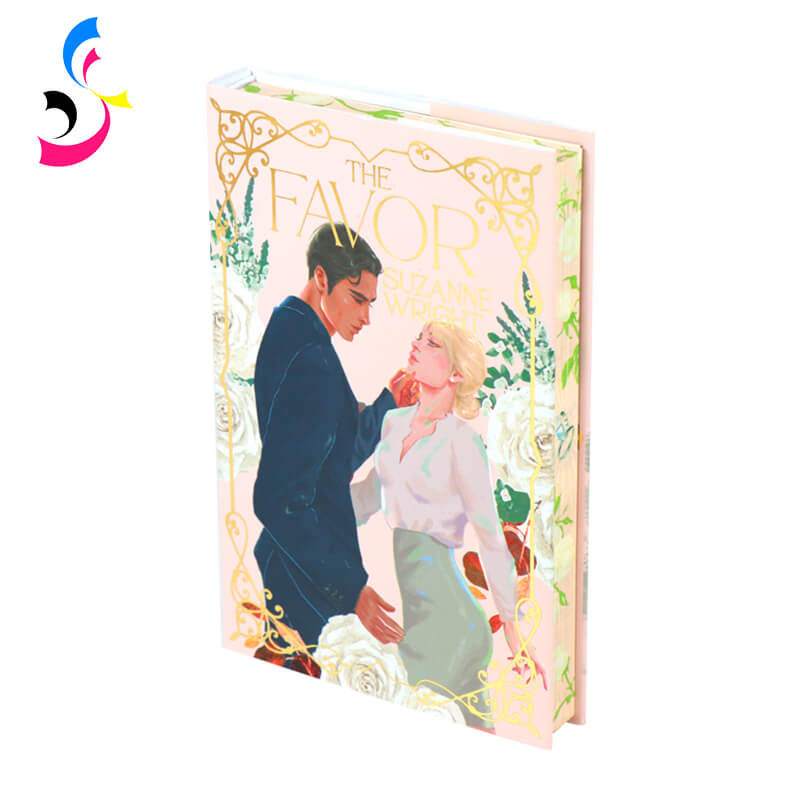
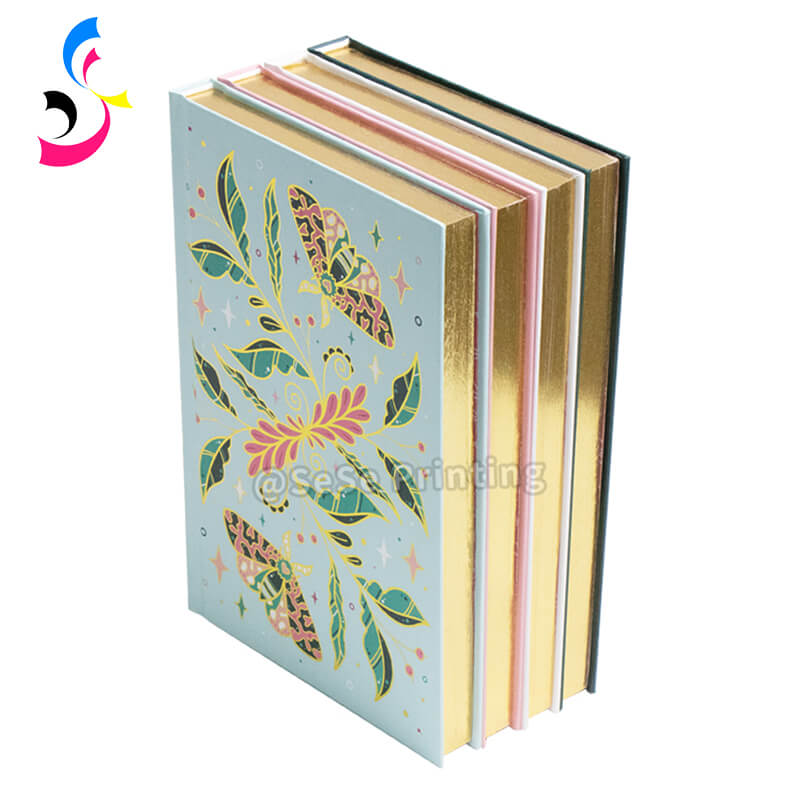
Looking for ideas? Here are some popular trends:
Fantasy novels with galaxy-themed sprayed edges
Romance books with floral stencil designs
Mystery thrillers with blood-red edges or noir gradients
Planners and journals with gold or pastel sprayed edges for a stylish, feminine look
10. Conclusion
Sprayed edges offer a transformative way to elevate a book from ordinary to extraordinary. While the DIY route offers personalization for hobbyists, achieving truly professional, durable, and stunning results requires partnering with an experienced book printer like sese printing, who possesses the specialized equipment and expertise. By understanding the types, costs, processes, and potential pitfalls outlined in this guide, authors and publishers can confidently incorporate this captivating feature into their book projects, creating editions that readers will cherish and display with pride. Whether opting for a simple metallic sheen or an intricate hidden design, sprayed edges are a powerful tool in the modern bookmaker's arsenal.

E-mail: sales01@seseprinting.com
Mobile phone: +86-13570912663
WhatsApp: 008619066781165
Tel: +86-020-34613569
Add: 702 No. 21 Huizhong Road, Shiqiao St, Panyu District. Guangzhou city, Guangdong Province. China