Quality Custom Book Printing for Authors,Publishers and Creators - SeSe Printing


How to Make Your Own Book for Kids?
How to Make Your Own Book for Kids
Creating a custom book for a child is more than just a craft project; it's an act of love, imagination, and legacy. A personalized story transforms reading from a passive activity into an interactive adventure where the child becomes the hero, sees their world reflected, and feels uniquely cherished. Whether it's a special gift, a tool for learning, or a way to capture precious memories, a custom book fosters a deep, personal connection to reading. Here's your detailed guide to making it happen:
1. Introduction: Why Create a Custom Book for Kids?
The magic of a custom book lies in its power to resonate deeply. Imagine a child's eyes widening as they see their name as the brave knight, their pet as the loyal sidekick, or their hometown as the enchanted kingdom. This level of personalization:
Boosts Engagement: Kids are naturally drawn to stories featuring themselves and people/things they know.
Enhances Learning: Personalized stories make abstract concepts (like kindness, bravery, or numbers) more relatable and memorable.
Builds Self-Esteem: Seeing oneself as the protagonist overcoming challenges is incredibly empowering.
Creates Lasting Keepsakes: These books become treasured childhood mementos, often saved for generations.
Addresses Specific Needs: Perfect for teaching routines (bedtime, potty training), coping with fears, or celebrating milestones (new sibling, moving house).
2. Step 1: Planning Your Book
Before pen hits paper or mouse clicks, a solid plan is crucial:
Define Your Audience: Age is paramount! A toddler needs simple, rhythmic text and bold pictures. A 7-year-old can handle more complex plots and dialogue. Consider their specific interests (dinosaurs, fairies, trucks?).
Choose Your Theme & Story: What's the core message or adventure?
Adventure: Child embarks on a quest.
Everyday Heroism: Overcoming a common fear (dark, doctor) or achieving a goal.
Educational: Focuses on ABCs, numbers, colors, or specific skills.
Celebratory: Birthdays, new siblings, holidays, family history.
Pure Fantasy: Set in a magical world with the child at the center.
Outline the Structure: Plan the beginning (introduce character/setting), middle (the challenge/journey), and end (resolution). Decide on the number of pages (typically 16-32 for picture books).
Brainstorm Personalization Elements: Beyond the child's name, think: family members, pets, friends, favorite toys, hobbies, physical traits, hometown landmarks, school, even inside jokes.
Set a Realistic Timeline & Budget: Consider the complexity of writing, illustrating, and printing.
3. Step 2: Writing and Illustrating
Writing:
Keep it Age-Appropriate: Use simple, clear language for young kids. Short sentences. Rhyme only if you can do it well and consistently.
Show, Don't Just Tell: Let the illustrations carry some of the story weight. Your words should complement the pictures.
Incorporate Personalization Seamlessly: Weave names and details naturally into the narrative. Avoid forced insertions.
Read Aloud: Essential! Check the rhythm, flow, and wordiness. Does it sound good spoken?
Edit Ruthlessly: Cut unnecessary words. Ensure clarity. Check grammar and spelling meticulously.
Illustrating:
Choose Your Style: Will you draw yourself? Use photos? Hire an illustrator? Use digital tools (Canva, Procreate, Adobe Illustrator)? Use simple collage? The style should match the story's tone.
Consistency is Key: Maintain consistent character designs, color palettes, and overall aesthetic throughout.
Consider Layout: Plan where text will go on each page. Leave margins! Think about how images flow across spreads (two facing pages). Avoid putting crucial details in the gutter (center fold).
Incorporate Personal Details: Draw the child's actual stuffed animal, include their real bedroom window view, depict their specific pet.
Resolution & Format: Create illustrations at high resolution (300 dpi) and in the final size/format required by your printer (ask them!).
4. Step 3: Custom Printing Options
Understand the choices that impact look, feel, and durability:
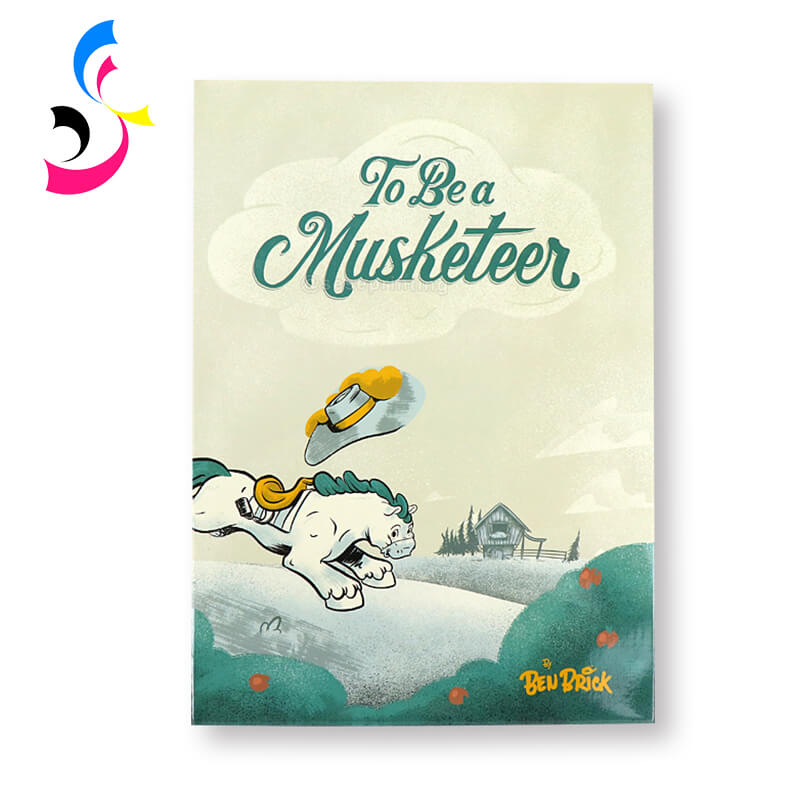
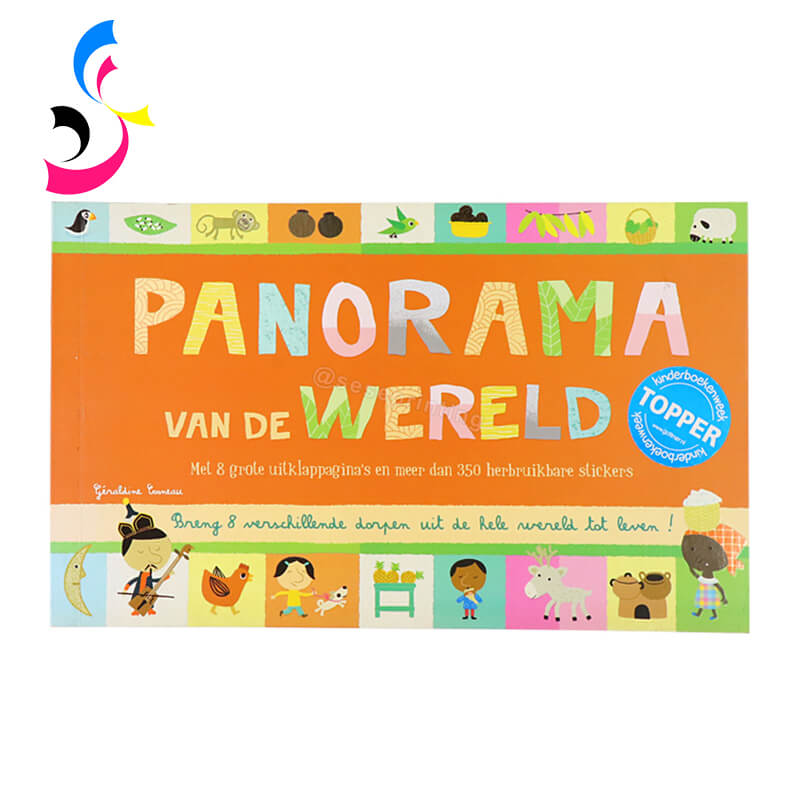
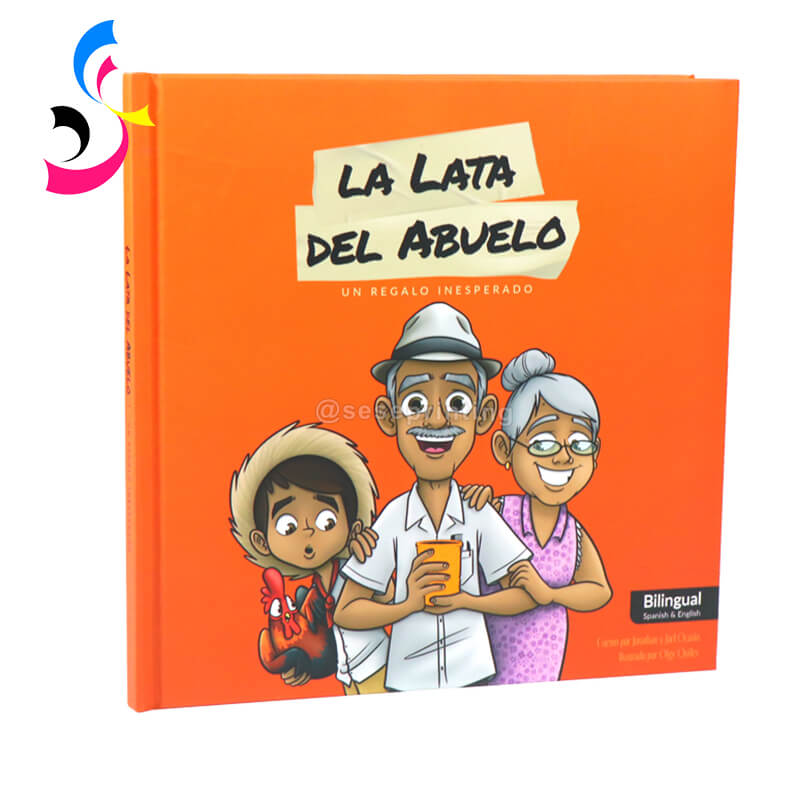
Book Size & Format: Standard landscape, portrait, or square? Common kids' book sizes are 8"x8", 8.5"x8.5", or 10"x8".
Paper Type:
Standard: Good for older kids, economical.
Premium Matte/Gloss: Better color vibrancy, more durable feel.
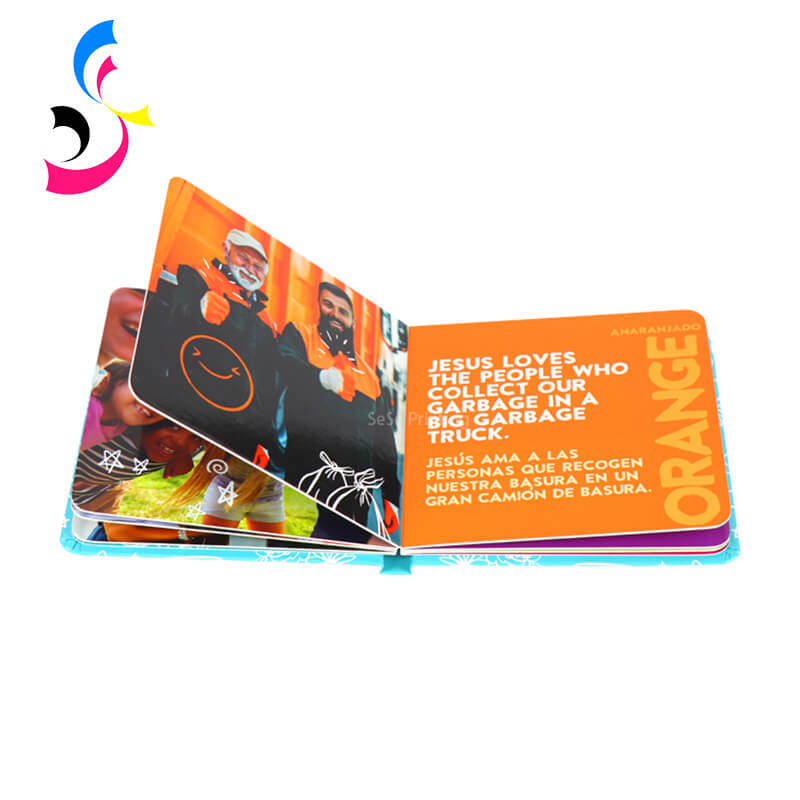
Board Book Stock: Thick, rigid cardboard (usually 2mm+). Essential for babies and toddlers (ages 0-3) as it's chew-proof, rip-proof, and easy for small hands to turn. Requires specific printing setup.
Binding:
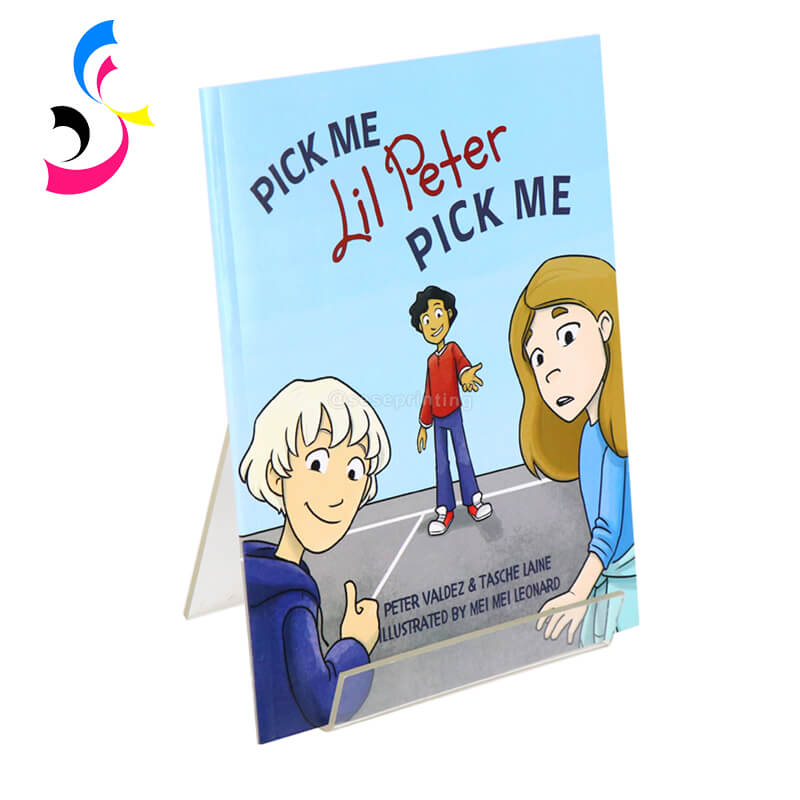
Paperback (Perfect Bound): Glued spine, common for older kids' books. Cost-effective.
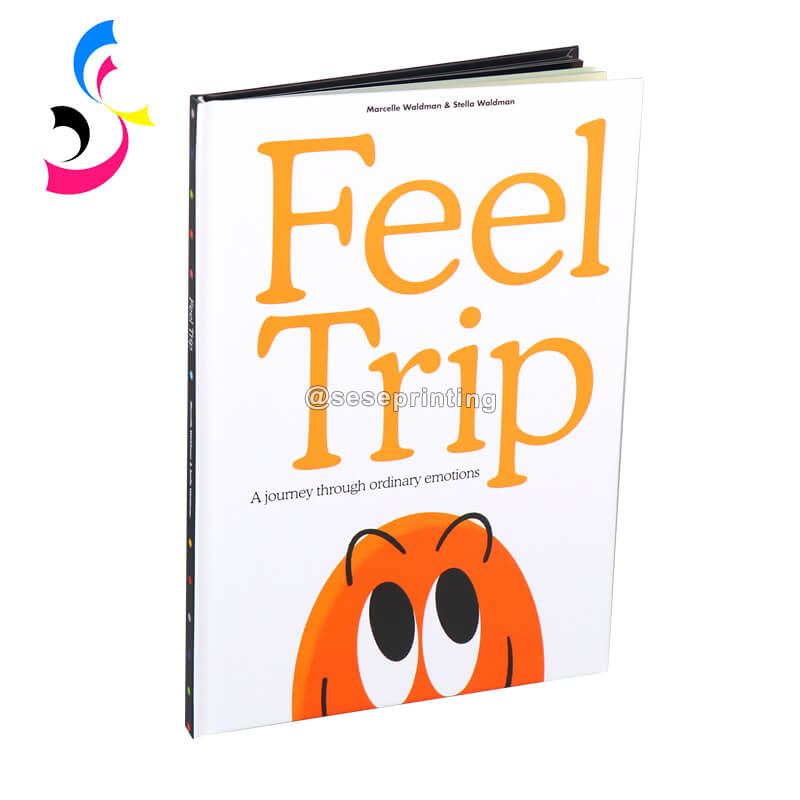
Hardcover (Case Bound): Rigid covers, glued spine, very durable and premium feel.
Board Book Binding: Pages are printed directly on thick board and bound with a special hinge, allowing easy page turns. The standard for true board books.
Finishes:
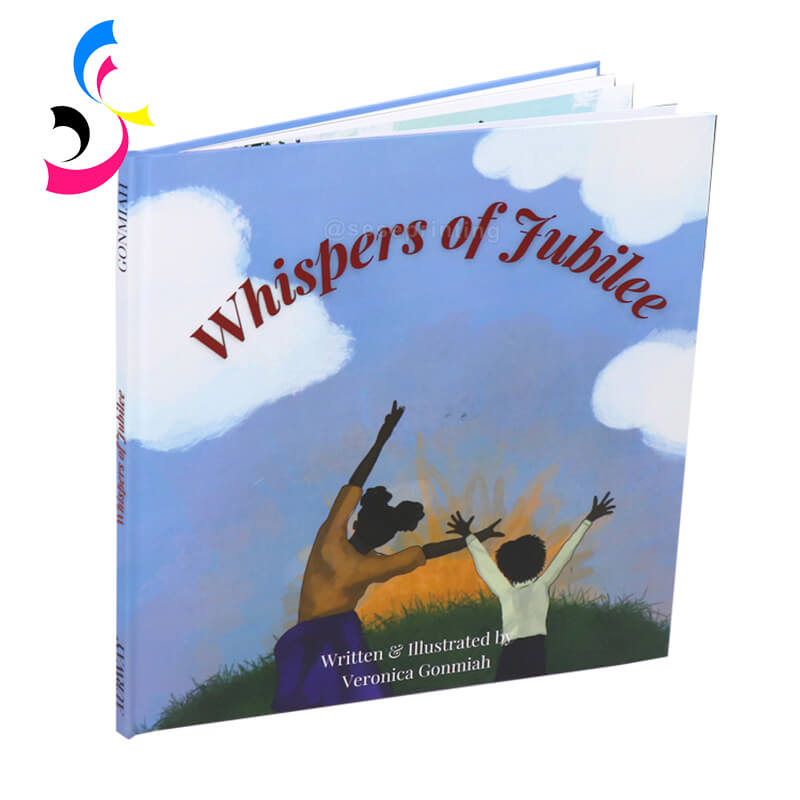
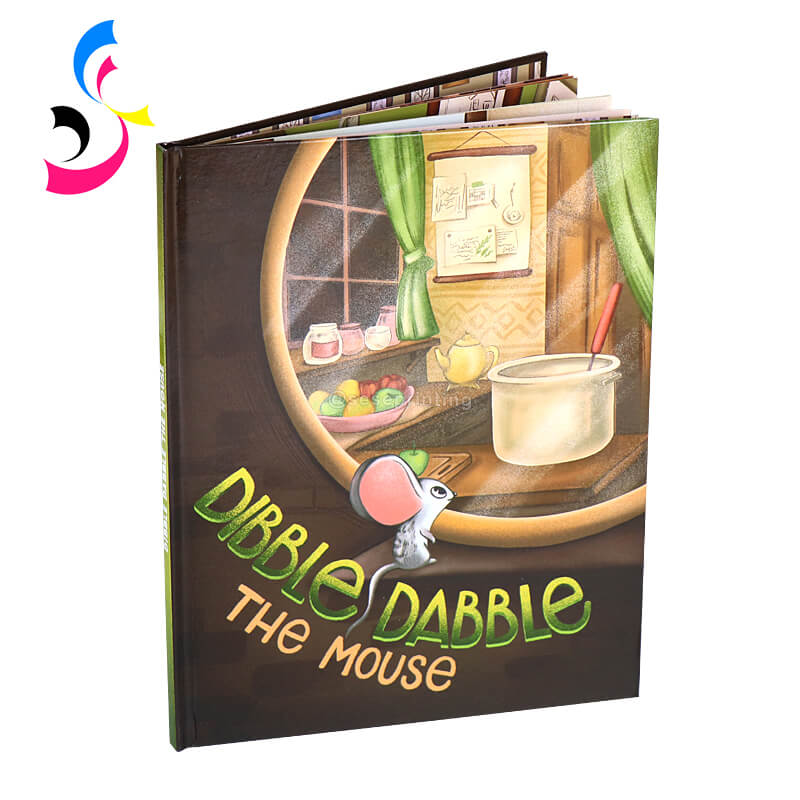
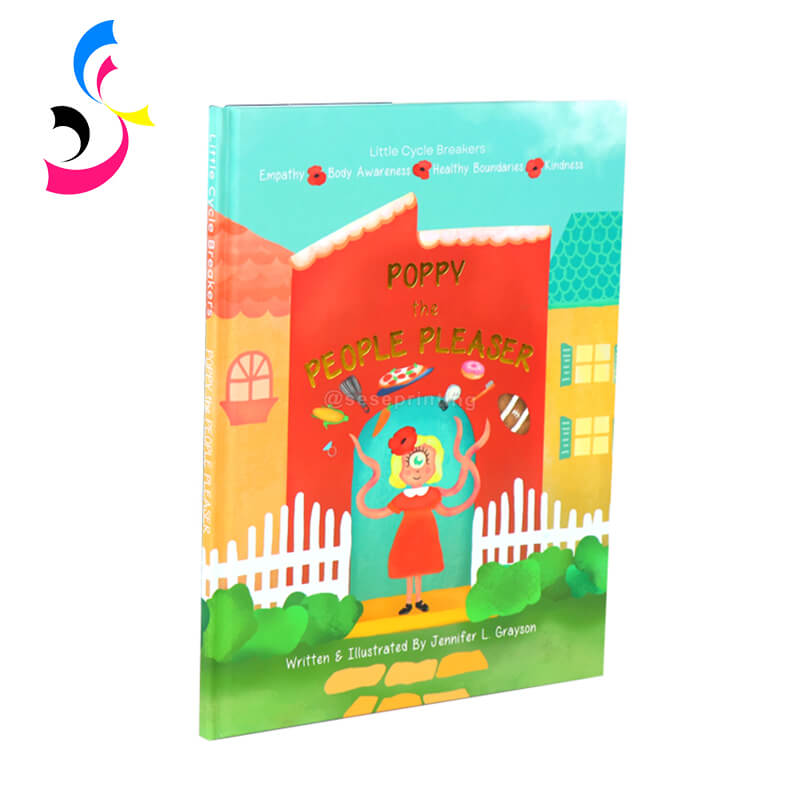
Lamination: Matte or gloss coating on covers (and sometimes interior pages) for protection and enhanced look/feel. Highly recommended for kids' books.
Spot UV: Shiny, raised coating on specific design elements for a tactile effect.
Foil Stamping: Metallic accents (gold, silver) on the cover or text.
Safety: Ensure inks and materials are non-toxic, especially crucial for board books.
5. Step 4: Choosing a Printing Partner
Selecting the right printer makes all the difference. For custom kids' books, especially board books, Sese Printing stands out as a specialist:
Expertise in Kids' Books: Sese Printing has extensive experience specifically in printing high-quality, durable, and safe children's books, including complex board book production.
Dedicated Board Book Printing: They offer true board book printing on thick, safe cardboard stock with sturdy, child-friendly binding – perfect for the youngest readers. Many general printers don't offer this.
Robust Customization Platform: Sese provides user-friendly online tools that make uploading your manuscript and illustrations, adding personalized text fields (names, dedications), and visualizing your book incredibly straightforward.
Quality Materials: They use certified non-toxic inks and durable, high-quality paper/board stocks suitable for frequent handling (and the occasional snack time accident!).
Range of Options: From simple softcover picture books to premium hardcovers and authentic board books, Sese offers the spectrum of formats kids need.
Global Reach & Support: They cater to creators worldwide, offering reliable shipping and customer support to guide you through the process.
Competitive Pricing: Specializing in this niche often allows them to offer better value for the specific quality required in kids' books compared to general printers.
6. Step 5: Finalizing and Proofing
Do not skip this step! A single error can ruin the magic.
Digital Proof: Carefully review the online proof provided by your printer. Check every single detail:
Spelling & Grammar (especially names!).
Text Placement (is it cut off? overlapping images?).
Image Quality (resolution, color accuracy, cropping).
Personalization Fields (is the correct name/data pulling through everywhere?).
Page Order and Layout.
Bleed and Margins (ensure no critical elements are too close to the edge).
Physical Proof (Highly Recommended): For significant orders or complex books (especially board books), order a single physical copy first. This reveals issues digital proofs can miss:
Color matching on actual paper.
Binding tightness and page-turning ease (crucial for board books).
Paper/board weight and feel.
Actual size and overall quality.
Get a Second Pair of Eyes: Have someone else proofread it meticulously. Fresh eyes catch mistakes you've become blind to.
Approve Only When 100% Satisfied: Don't rush approval. Fix any errors before the full print run.
7. Step 6: Distribution and Gifting
Gifting: The most common and wonderful purpose! Present it wrapped beautifully. Consider including a personalized dedication message inside the cover.
Personal Use: Add it to your child's bookshelf for regular reading time.
Small-Scale Selling: If you created something special, consider:
Local craft fairs or markets.
Etsy or other online marketplaces.
Direct sales to friends/family/community (ensure you understand any local regulations for small-scale selling).
Sharing Digitally: While the physical book is key, you could also share a PDF version with long-distance family. (Note: Never distribute copies printed by your partner like Sese; respect copyright and your agreement).
Donating: Consider donating a copy to your child's classroom, daycare, or local library (check their donation policies first).
8. Conclusion: Making Reading Magical with Custom Books
Creating your own book for a child is an investment of time and creativity that yields immeasurable returns. It transforms reading from a simple pastime into a deeply personal, magical experience. Seeing a child's face light up as they recognize themselves as the hero of their own story, or cuddle up with a book featuring their beloved dog, creates a unique bond with literature and with you, the creator. These custom books become more than stories; they become cherished artifacts of childhood, tangible expressions of love, and powerful tools for fostering a lifelong love of reading. So, embrace the journey – from the spark of an idea to the tangible weight of the finished book in your hands – and create something truly magical. The wonder in a child's eyes will be your greatest reward.
Ready to start your magical book-making journey? Explore the specialized tools and quality options available at printers like Sese Printing to bring your unique vision for a child to life!

E-mail: sales01@seseprinting.com
Mobile phone: +86-13570912663
WhatsApp: 008619066781165
Tel: +86-020-34613569
Add: 702 No. 21 Huizhong Road, Shiqiao St, Panyu District. Guangzhou city, Guangdong Province. China