How to Create a Professional Dust Jacket for a Hardcover Book?
A well-designed dust jacket does more than just protect a book — it captivates readers, communicates value, and elevates your publication to a professional level. Whether you're an indie author or a publishing house, creating a compelling dust jacket is essential. Here's a detailed guide on how to create a professional dust jacket for a hardcover book.
1. Understand the Purpose and Components of a Dust Jacket
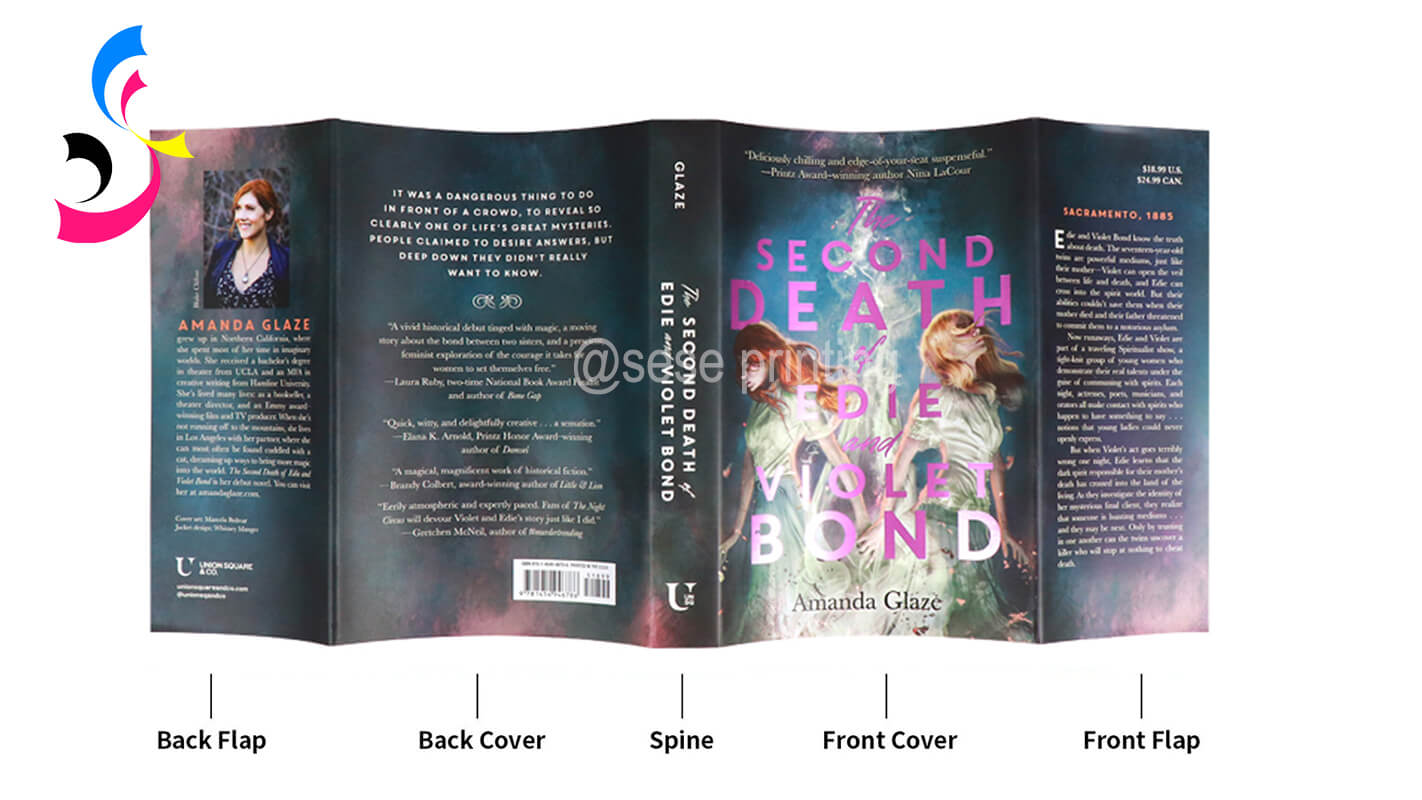
To create a compelling dust jacket, it's essential to understand its function and the individual sections that make up the design. A standard dust jacket consists of several key components, each serving a specific role in marketing and presentation. Here's a closer look at these elements:
![How to Create a Professional Dust Jacket for a Hardcover Book? 1]()
Front Cover
The front cover is the focal point of the dust jacket and plays a pivotal role in attracting readers. It typically features the book's title, author's name, eye-catching artwork, and occasionally a tagline. The design should be bold and visually appealing, giving a clear sense of the book's tone, genre, or message.
The title and author's name should be clearly visible, using typography that is both readable and stylistically aligned with the book's theme. A well-crafted tagline can add intrigue, offering a brief glimpse into the story or subject. This section is your chance to make a lasting first impression, so it's important to ensure all elements work harmoniously.
Front Flap
The front flap offers more detailed information to spark interest. This is where a short synopsis or pitch can be placed, giving readers a preview of the book's content. It may also include the genre, a publisher's imprint, or a marketing hook.
The synopsis should be brief but compelling—enough to give a taste of the narrative without revealing too much. Including the genre helps target the right audience, while a publisher's logo can convey professionalism and brand recognition. Think of the front flap as a teaser that invites readers to dive in.
Spine
The spine is the part of the dust jacket that will be visible when the book is shelved, making it vital for shelf appeal. It typically includes the book title, author's name, and publisher's mark.
Design-wise, the spine should be clean and legible, using fonts and colors consistent with the rest of the jacket. It must be easy to read from a distance, ensuring your book stands out even when only the spine is visible. This is especially important in bookstores and libraries where space is limited.
Back Cover
The back cover is a key space for offering more in-depth information and persuasive content. This section often includes an extended synopsis, author biography, endorsements, review quotes, a barcode, and sometimes additional graphics or imagery.
The expanded synopsis should provide a deeper look into the book's premise or themes. Author bios help build a connection with readers, while quotes and reviews from critics or other authors can serve as social proof. The barcode is a must for retail purposes, and extra design elements can add flair.
Back Flap
The back flap continues the promotional narrative and typically houses additional author information, such as a biography, author photo, further endorsements, or information about related titles in a series.
This area is ideal for showcasing the author's background and achievements, helping readers learn more about the creator behind the work. If the book belongs to a series, this is the perfect spot to highlight other titles and encourage continued engagement.
2. Define Your Book’s Genre and Audience
Understanding your book's genre and target audience is essential for creating a dust jacket that truly connects with readers. Each genre comes with its own set of visual cues and expectations, which should guide your design choices from the very beginning.
Fiction Books
When designing for fiction, your dust jacket should capture the tone and emotional landscape of the story. Whether it's a gripping thriller, a tender love story, or an epic fantasy, the cover should reflect the narrative's core spirit. Use imagery that symbolizes central themes or scenes, and select a color scheme that enhances the book's mood.
Equally important is knowing your audience. The design for a YA fantasy novel will look very different from that of a mature literary drama. Design choices like typography, illustration style, and layout should all align with your readers' preferences and the conventions of the genre, maximizing the book's appeal.
Non-fiction Books
For non-fiction titles, clarity and credibility are key. The dust jacket should clearly signal the subject matter while presenting a trustworthy, polished look. Use imagery that supports the topic, and opt for a clean, structured layout with a refined color palette that suits the content's tone.
Audience insight is just as vital here. A motivational self-help book might benefit from vibrant, uplifting visuals, while an academic or historical text should project authority and seriousness. Let your readers' expectations guide your design—doing so will create a dust jacket that feels both relevant and professional.
Children's Books
Designing for children calls for creativity, color, and fun. A children's book dust jacket should be bright, playful, and full of engaging visuals. Whimsical illustrations, lively colors, and bold, friendly fonts help grab the attention of young readers and spark their imagination.
Always keep the age range in mind. A board book for toddlers demands large, simple visuals and minimal text, while chapter books for older kids can accommodate more detailed artwork and sophisticated design elements. Ensuring that your dust jacket is age-appropriate and visually delightful is key to making a lasting impression on young readers.
3. Conceptualize Your Visual Theme
Once you've identified your book's genre and target audience, the next step is to develop a strong visual theme for your dust jacket. This stage is about translating the book's essence into a compelling visual identity by thoughtfully considering its mood and tone, color palette, and imagery.
Mood and Tone
Your dust jacket should reflect the emotional core of the book. Whether your story is a suspenseful thriller, a tender romance, or a practical how-to guide, the design should mirror the tone and atmosphere you want readers to feel. Think about the emotions you want to evoke—curiosity, excitement, warmth, or inspiration—and let these emotions guide your creative choices.
Typography, layout, and visuals all contribute to establishing a consistent tone. A cohesive mood throughout the jacket design ensures readers immediately grasp the nature of your book, creating a deeper connection before they even turn the first page.
Color Palette
Color is one of the most powerful tools in visual storytelling. It sets the mood, captures attention, and conveys underlying themes. When selecting your color palette, consider both the genre and the psychological impact of colors. For example, blues and greys might suggest a somber or intellectual tone, while bright reds or yellows can evoke excitement and energy.
Choose colors that not only represent the book's message but also resonate with your audience. Striking the right balance between aesthetics and emotion will make your dust jacket more captivating and memorable.
Imagery
Imagery serves as the visual anchor of your dust jacket. Whether you opt for hand-drawn illustrations, photographs, or abstract graphics, the imagery should reinforce the book's content and draw readers in. Visuals should relate directly to key themes, symbols, or moments within the book, offering a glimpse into the experience it promises.
The right imagery enhances the overall design, supports the mood, and creates a lasting impression. It's important that all visual elements feel intentional and harmonized, contributing to a dust jacket that is not only attractive but also meaningful.
4. Typography and Layout
Typography and layout are critical elements of dust jacket design. They not only affect visual appeal but also influence how effectively the book communicates with potential readers. Selecting the right fonts and organizing textual elements thoughtfully can dramatically enhance both readability and design cohesion.
Title
The title is the focal point of your dust jacket—it's the first thing readers will notice. It should be large, bold, and immediately recognizable. The font choice and style must reflect the genre and tone of your book, helping set expectations for what's inside.
Consider using custom fonts or distinctive typefaces to make your title stand out. Prioritize legibility at a distance, especially for books displayed on shelves or online thumbnails. Experiment with placement, size, and spacing until the title harmonizes perfectly with the jacket's overall design theme.
The title should feel integrated with the rest of the layout, reinforcing the book's identity and leaving a memorable impression.
Author's Name
While secondary to the title, the author's name should still be clear and prominent. It should be styled in a way that complements the title's typography, maintaining visual balance and cohesion.
For well-known authors, larger and bolder text may capitalize on their brand recognition. For debut authors, clarity and readability are more important than scale. Regardless of status, the author's name should be easily identifiable at a glance.
Position it thoughtfully—either above or below the title—ensuring it doesn't compete with other design elements. Its placement should support, rather than overshadow, the overall visual hierarchy.
Text Blocks
Text blocks—such as the synopsis, author bio, and endorsements—should be organized with clarity in mind. Use a consistent font family and establish a clear hierarchy with variations in size, weight, or style to differentiate sections.
For example:
The synopsis can be set in a slightly larger font.
Endorsements or blurbs may be italicized or styled differently.
The author bio can be more neutral and subdued.
Keep lines well spaced, avoid crowding, and align the text with other visual elements to guide the reader naturally through the layout. Use bullets or numbered lists where appropriate to improve readability.
Ensure there's a strong balance between text and imagery so that neither overwhelms the other.
Publisher Logo or Emblem
The publisher's logo adds credibility and professionalism to your book. It acts as a stamp of authenticity, especially in genres where authority matters, such as nonfiction or academic titles.
Place the logo in a discreet yet visible location, often near the spine or bottom of the back cover. It should be rendered in high resolution, sized appropriately, and designed to complement the surrounding elements without dominating the space.
A well-integrated logo reinforces brand identity while contributing to a polished and trustworthy presentation.
Barcode
While purely functional, the barcode is a required component of any dust jacket design. It includes vital retail data, such as the ISBN and price, and must follow specific industry size and placement standards to remain scannable.
Place the barcode on the lower back cover, ideally in a corner where it won't interfere with other design elements. While it must remain unobtrusive, don't hide it—make it easily accessible for scanning.
Use a subtle border or background box to separate it from adjacent text or images, helping it blend into the overall design without drawing attention.
Spacing
Effective spacing is what ties all design components together into a cohesive, readable format. It ensures that each element has room to breathe, creating a clean and professional appearance.
Be mindful of:
White space around the title and author name.
Adequate margins between text blocks.
Consistent line spacing and alignment.
Proper spacing helps prevent visual clutter and guides the reader's eye across the cover in a logical, effortless flow. Uniform spacing throughout the design maintains harmony and enhances the user experience.
5. Incorporate Essential Text
In dust jacket design, text elements play a vital role in both communication and visual impact. From the bold title to the discreet barcode, each component must be strategically placed, well-styled, and carefully balanced to enhance readability and aesthetic appeal.
Book Title and Subtitle
The book title is the focal point of the dust jacket and should be bold, prominent, and instantly recognizable. Use strong, legible typography that reflects the book's genre and tone.
If a subtitle is included, it should be clearly subordinate to the title in both size and style, yet still readable and complementary. Together, the title and subtitle should form a cohesive visual unit that grabs attention and conveys the essence of the book.
Author's Name
The author's name adds credibility and brand value. It should be prominently displayed, though typically smaller than the title. Font choices should complement the title typography for a unified look.
For well-known authors, larger or stylized text can emphasize their reputation. For debut authors, simplicity and legibility should take priority. Placement should balance with the title to maintain harmony in the overall layout.
Tagline or Hook (Optional)
A tagline or hook can serve as a compelling one-liner that intrigues readers. Short, punchy, and emotionally resonant, it should be placed where it enhances the design—often above or below the title—without overshadowing key elements. Use italics, color contrast, or spacing for emphasis.
Brief Synopsis or Blurb (Back Cover)
The synopsis or blurb gives readers a concise overview of the book's content. It should be engaging, informative, and clearly organized, using paragraphs, bold headings, or short quotes for emphasis.
Design-wise, keep the font readable and align it with the jacket's typography theme. Allow enough white space for a clean layout and avoid overwhelming the reader.
Author Bio and Photo (Optional)
The author bio offers a personal connection and should highlight key achievements, writing background, or other relevant information.
A professional author photo, if used, should be high-resolution and well-integrated into the back cover design. Placement should complement—not compete with—other elements like the synopsis or review quotes.
Publisher Logo or Imprint
A publisher logo adds credibility and polish. It should be small but visible, placed near the spine or bottom corner of the jacket.
Ensure it's high-resolution and matches the dust jacket's color scheme. The logo should blend with the layout without drawing undue attention.
ISBN Barcode and Price
Located on the back cover, the ISBN barcode and price are essential for retail purposes. They should be scannable, industry-standard in size, and positioned discreetly—usually in the lower right corner.
To maintain visual harmony, consider using a neutral background or border to separate the barcode from surrounding design elements.
Final Tip: Maintain Visual Hierarchy
Each text element should follow a clear typographic hierarchy, guiding the reader's eye from most important (title) to least (price/barcode). Use variations in size, weight, and spacing to differentiate and organize information effectively.
6. Consider the Finishes in the Dust Jacket Design
Matte or Gloss Lamination: Provides texture and durability.
Spot UV Coating: Highlights specific elements like titles or graphics.
Foil Stamping: Adds metallic accents, perfect for luxury editions.
Embossing/Debossing: Adds dimension to logos or text.
When working with a professional printing company like Sese Printing, you can fully customize these options to match your vision.
7. Finalize the Dimensions and Bleed
![How to Create a Professional Dust Jacket for a Hardcover Book? 8]()
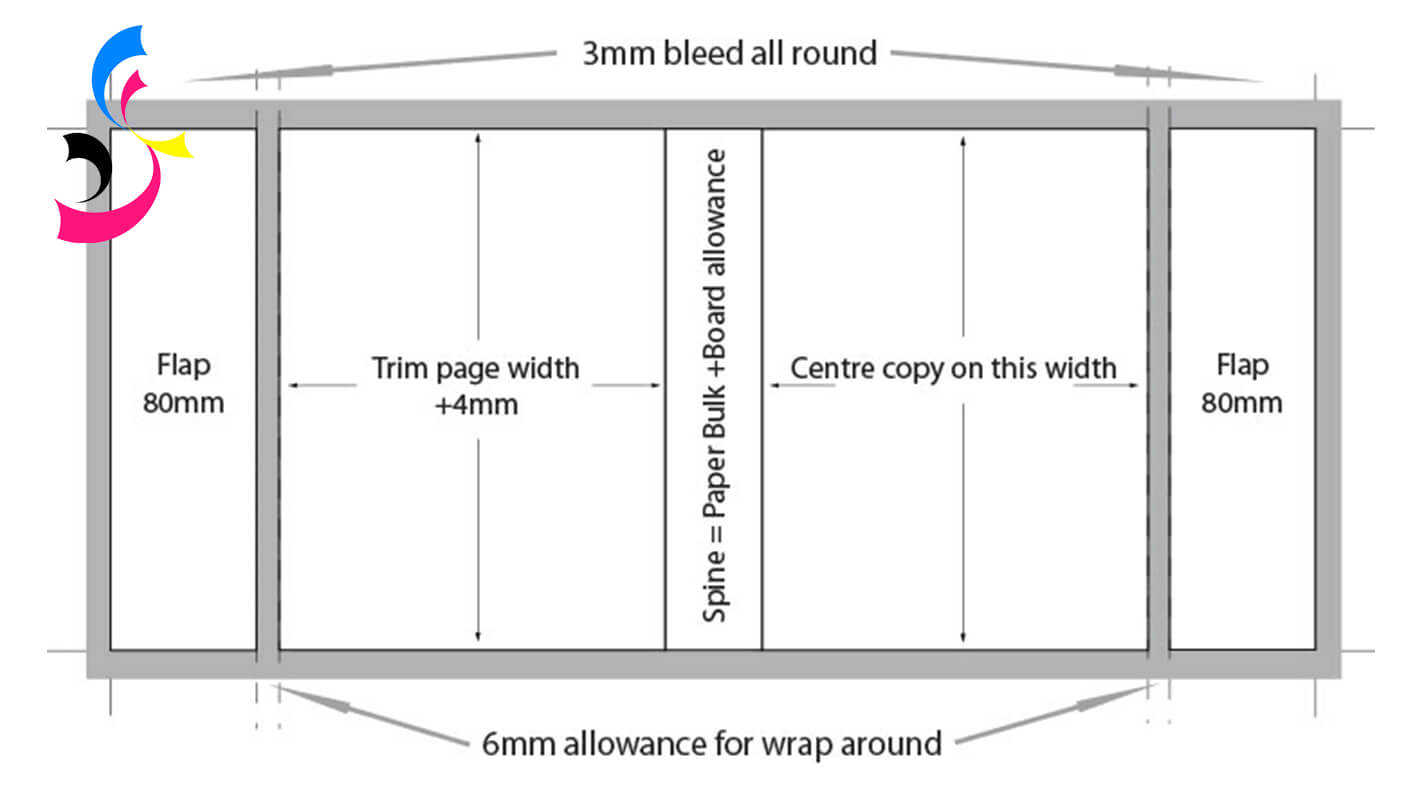
Getting the dimensions and bleed right is essential for a professionally printed dust jacket. Precision in this stage ensures the final product fits perfectly and looks polished on the shelf.
Dust Jacket Dimensions
The dimensions of a dust jacket must be carefully planned to cover the front cover, spine, back cover, and both flaps. Accurate measurements are key to achieving a snug, seamless fit.
Take into account the book's exact trim size and spine width, which vary depending on page count and paper thickness. Even small miscalculations can result in misalignment, so it's important to work with precise specifications.
Use professional templates or layout guides to map out the full jacket, including the folds and flaps. Double-check all dimensions before sending the file to print to ensure consistency and a clean, finished look.
Bleed Area
The bleed area refers to the extra space that extends beyond the jacket's final trim line. This margin ensures that background colors, images, and design elements reach the edge of the printed piece—eliminating the risk of white borders after cutting.
A standard bleed is typically 0.125 inches (3 mm) on all sides, but it's important to confirm with your printer, as specifications can vary. Extend all backgrounds and graphical elements into the bleed zone to ensure a flawless edge.
Check that no important text or design details fall within the bleed or trim lines. Always use bleed guides during the design process to maintain print accuracy and visual integrity.
8. Ready to Print? Partner with Sese Printing
Once your design is finalized and proofed, it's time to bring it to life.
Sese Printing specializes in premium custom book printing, including hardcover books with stunning dust jackets. Here's why authors and publishers trust Sese:
High-definition offset printing
Full range of specialty finishes
Custom sizes, flaps, and spine templates
One-on-one customer support
Global shipping and fast turnaround
From design assistance to final print, we bring your dust jacket—and your book—to life with professionalism and care.
Conclusion
A professionally crafted dust jacket does more than protect — it sells. By carefully planning every detail from genre targeting to specialty finishes, you can create a dust jacket that not only reflects your book's essence but also boosts its market appeal. When you're ready to print, trust Sese Printing to deliver exceptional quality and custom solutions tailored to your publishing goals.
Contact us today to get your custom dust jacket quote!