3. Board Book VS Hardcover: The Difference
While both formats offer sturdy construction, their purposes differ:
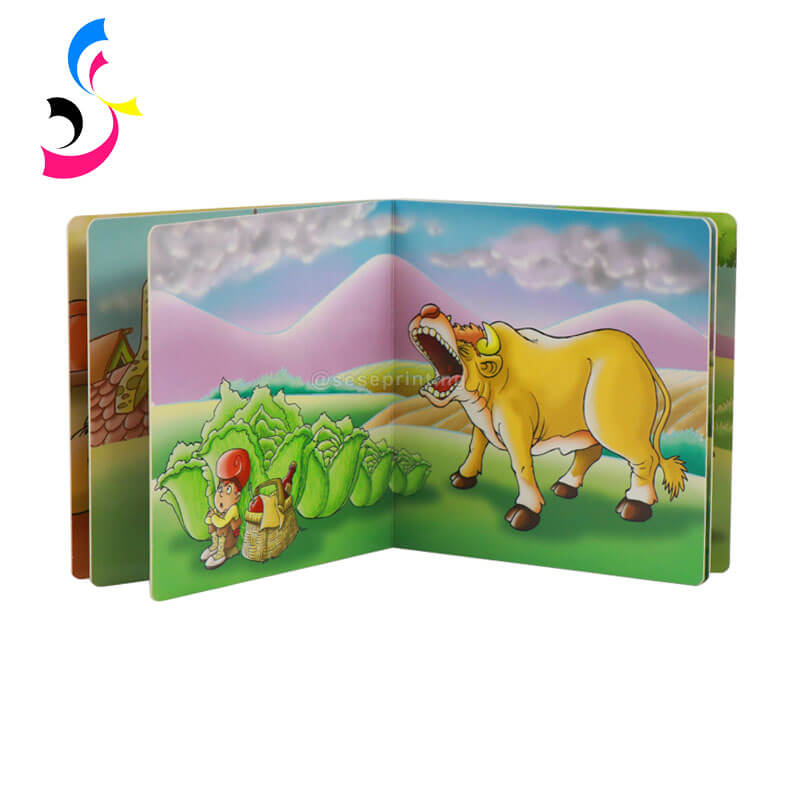
Material: Board books are made entirely from thick cardboard pages, whereas hardcovers use standard paper pages bound between rigid covers.
Target Age: Board books suit babies and toddlers; hardcovers cater to older children who can handle paper pages.
Durability: Board books are almost indestructible for daily play; hardcovers offer long-term protection for reading collections.
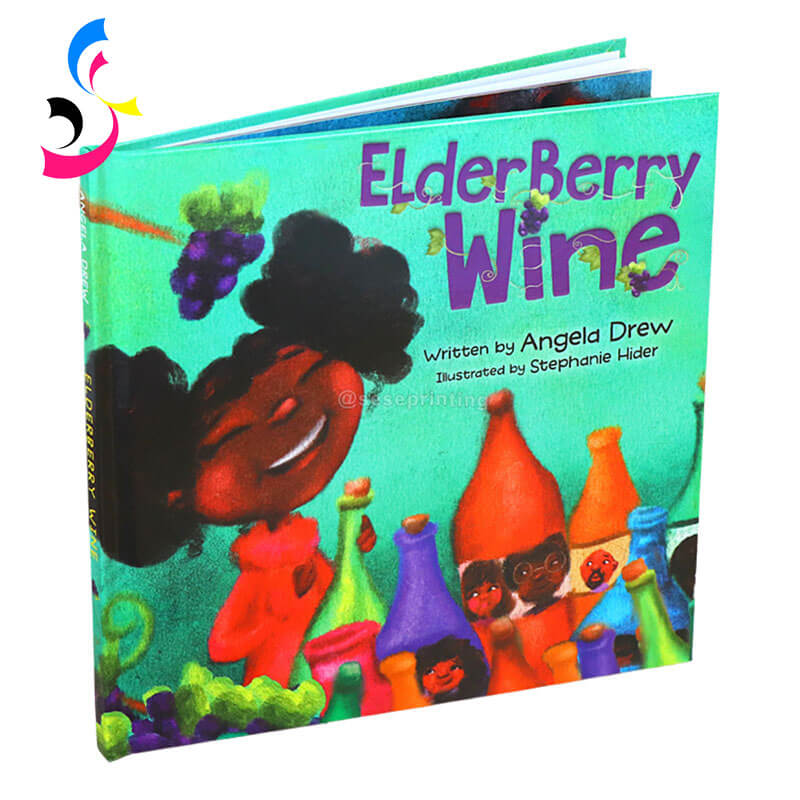
Cost & Feel: Board Books are often more expensive to produce due to their specialized materials. Hardcovers feel more prestigious and are often chosen for special, gift-giving occasions.
Printing Customization: Both support advanced finishes like foil and spot UV, but board books require non-toxic inks and child-safe coatings, making production more specialized.
If you're creating a baby or toddler title, the board book format ensures maximum safety and durability. For storytelling or gifting, hardcover editions deliver elegance and longevity.
4. Hardcover vs Paperback: The Difference
Hardcovers and paperbacks share similar page materials but differ in presentation and purpose:
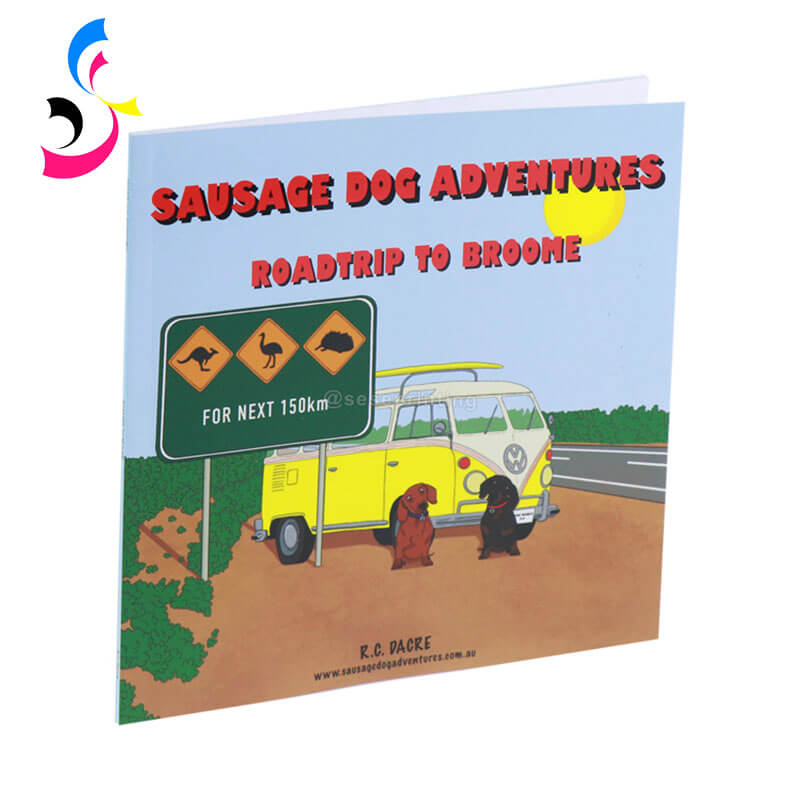
Cost: Paperbacks are significantly less expensive to print and purchase. This makes them an excellent choice for high-volume printing, school books, or for new authors testing the market.
Durability: A Hardcover's rigid cover protects the pages, making it last longer through multiple readings and siblings. A Paperback is more likely to show wear and tear with rough handling.
Perceived Value: A Hardcover book feels significant and valuable. It signals quality to parents and gift-givers. A Paperback is seen as more casual and accessible.
Printing Options: Hardcovers allow for dust jackets, foil stamping, and custom endpapers, while paperbacks often feature lamination and spot UV for an elevated look without high costs.
If your goal is premium presentation or long shelf life, go hardcover. For budget-friendly, lightweight options, go paperback.
5. Choosing the Right Format for Your Project
Selecting the best book type depends on your audience, purpose, and budget:
For babies and toddlers (0–3 years): Board books with laminated pages and rounded corners.
For early readers (3–8 years): Hardcovers with vivid illustrations and durable binding.
For older children (6+ years): Softcovers for educational or story series.
If you plan to produce multiple formats, a custom printing company like Sese Printing can help you match paper types, finishes, and binding to your story's unique needs.
6. Custom Printing Tips for Children's Books
At Sese Printing, we help you navigate these choices to ensure your custom book is perfect. Here are our pro tips:
Prioritize Safety: For Board Books, always opt for rounded corners. For all children's books, use non-toxic, eco-friendly inks and laminations.
Choose the Right Paper: For Hardcover and Softcover interiors, choose a thick, high-quality paper that prevents bleed-through from vibrant illustrations. A gloss or matte lamination on the cover enhances durability and visual appeal.
Consider Binding: For longer Softcover books, perfect binding is robust. For very short booklets (under 24 pages), saddle stitching is a cost-effective option.
Think About Interactivity: We can incorporate special finishes like spot UV to add texture or die-cutting for unique shapes. These features work beautifully on Hardcover and Board Book formats.
Request Physical Proofs: Before your full print run, always ask for a physical proof. This allows you to check the color accuracy, paper feel, and overall quality.
7. Conclusion
Every book format—board, hardcover, or softcover—has its own strengths in children's publishing. The right choice depends on your target age, creative vision, and distribution goals.
Whether you need the rugged simplicity of a Board Book, the timeless elegance of a Hardcover, or the accessible appeal of a Softcover, Sese Printing is your partner in creation. We combine high-quality materials, state-of-the-art printing technology, and expert craftsmanship to help you publish a book that children will love and you will be proud of.
Ready to bring your story to life? Contact Sese Printing today for a free quote and let's create something wonderful together!